Author: ryan

  • Organic Growth Strategy: What to Do When Paid Ads Plateau

    Organic Growth Strategy: What to Do When Paid Ads Plateau

    Paid ads are great until the math stops getting prettier. CAC creeps up, ROAS gets tighter, and each new dollar starts working harder for less.

    That does not mean your brand is broken. For many high growth firms, it simply means the next stage of sustainable growth requires assets that continue creating visibility, trust, and demand beyond paid media.

    Making this shift often requires a change in company culture. Strong digital marketing systems are built around serving a specific target audience consistently, not just chasing short-term campaign performance.

    Key Takeaways

    If your paid program has flattened out, here is the short version:

    • Paid ads capture existing demand, but they do not always create enough new demand on their own.
    • Organic growth compounds through content, search visibility, AI answers, video discovery, and branded demand.
    • Modern digital marketing visibility extends beyond Google rankings to platforms like ChatGPT, Perplexity, Google AI Overviews, and YouTube.
    • Strong organic systems are built through structure, consistency, and a deep understanding of your target audience.
    • Sustainable growth comes from building assets, not just buying attention.

    Keep that frame in mind as you read. You are not replacing one channel with another. You are building an asset.

    Why Paid Ads Plateau

    Paid media usually does not fail all at once. It gets more expensive and less forgiving. Then one day you realize the team is working twice as hard to squeeze out the same result.

    A lot of brands do not have a product problem at this stage. They have a discoverability problem. The people who are ready to buy right now might already know you, have clicked before, or have seen the same creative too many times.

    So your campaigns start circling the same pool.

    That pattern lines up with recent thinking on the growth plateau and brand awareness. Once performance channels saturate existing demand, more spend often delivers smaller gains.

    You are still capturing demand, but you are not creating enough of it. Unlike inorganic growth, which often relies on external injections like mergers and acquisitions or heavy ad spend to inflate numbers, organic methods utilize existing resources and internal resources to build value from within.

    Paid media rents attention. Organic visibility builds an asset.
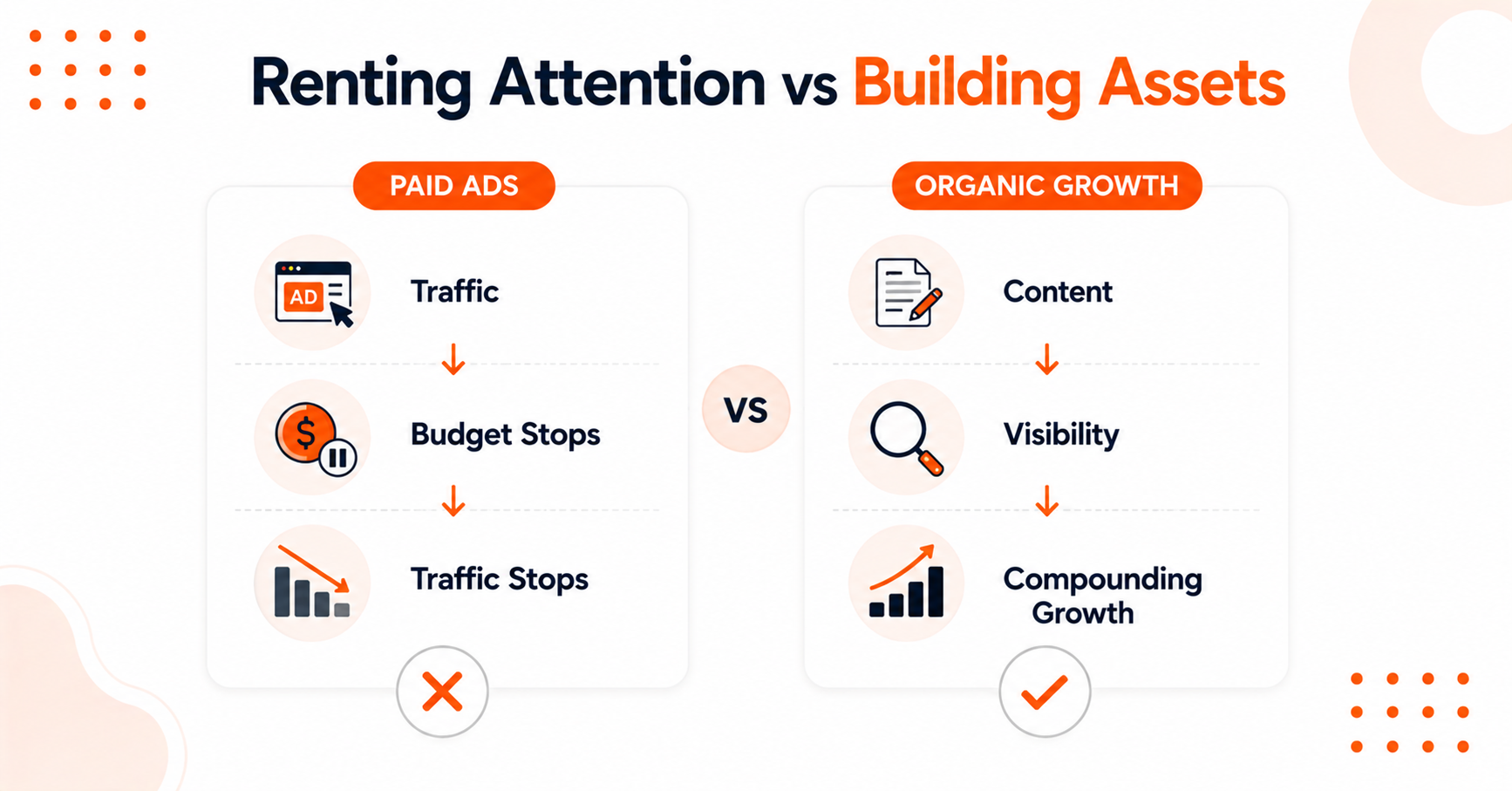
    Renting attention and building assets organically comparison.

    That is the big distinction. Paid is a faucet. Turn it on, traffic flows. Turn it off, it stops.

    Organic is slower at the start, but each page, video, answer, and mention keeps working after it is published. Over time, that stack of assets starts doing real work for you.

    This is also why going all-in on paid after a plateau often backfires. You do not need more pressure on the same channel. You need more surfaces where buyers can find you, trust you, and come back on their own.

    Moving From Capturing Demand to Creating It

    Here is the shift: stop asking only, "How do we buy more clicks?" Start asking, "How do we become the brand people find before they are ready to click an ad?"

    That is how growth opens back up.

    People do not only search the old way anymore. They ask full questions in ChatGPT. They compare options in Perplexity.

    They scan Google's AI Overviews before they ever touch a blue link. If your brand is not part of those answers, you disappear early, before the buying conversation even starts.

    So what creates demand? It starts with thorough market research to identify exactly what your audience is asking.

    Once you have those insights, you can:

    • Build useful content
    • Create strong category and product pages
    • Publish comparison guides that speak directly to a niche market
    • Highlight your unique differentiators through video demos, tutorials, and buyer education

    This helps build an audience that remembers you when the problem shows up next month, not only today.

    A simple look at organic growth vs paid ads makes the same point clearly: paid gets distribution fast, while organic builds trust and discoverability that last longer.

    For mature SaaS, DTC, and ecommerce brands, that is even more important because the easy paid wins are usually gone already.

    The good news is that demand creation is not vague brand fluff. It is operational.

    You publish content around real questions uncovered in your research. You build pages around specific use cases. You show up for comparisons, setup problems, pricing questions, and category terms.

    Then you keep improving what starts to rank, what gets cited, and what assists conversions.

    Now you are not waiting for the next paid optimization trick. You are expanding how the market finds you.

    Building a Self-Sustaining Organic Growth Strategy
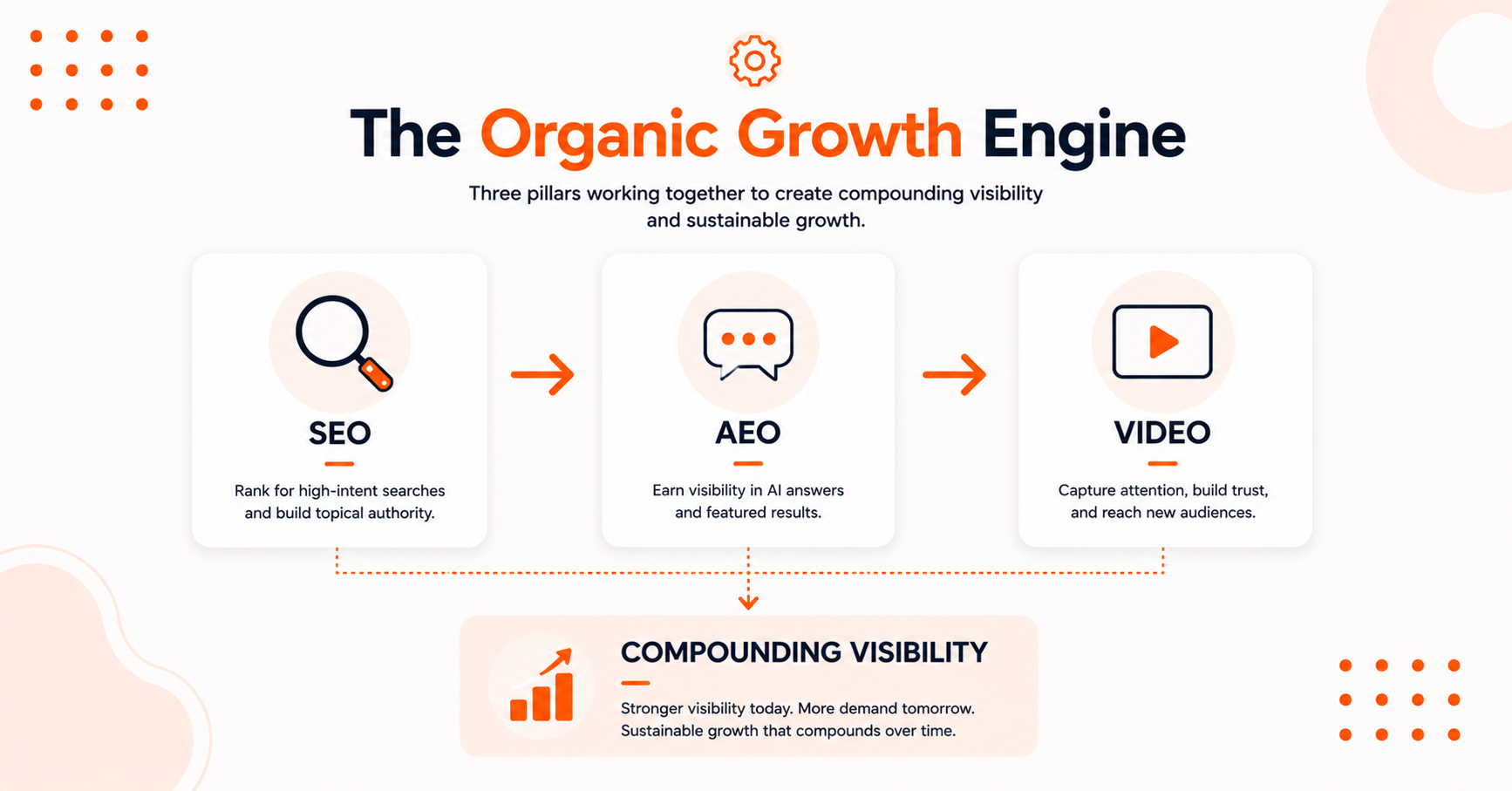
    Organic growth engine framework.

    The strongest post-plateau strategy usually has three working parts:

    • Search
    • Answer visibility
    • Video

    Not one or the other. All three, tied together.

    Buyers rarely move in a straight line anymore. They search, watch, compare, ask AI, come back, and search again.

    Modern SEO Still Does the Heavy Lifting

    SEO still matters. A lot. But modern SEO is not about publishing random blog posts and hoping a keyword sticks.

    It starts with structure. Clean technical foundations. Clear site architecture.

    Topic clusters that show depth. Internal links that connect related pages. Refreshes for older content that is slipping.

    Pages that answer a question fast, then prove the answer with detail. When you refine these elements, your site gains a distinct competitive advantage in the search results.

    This is also where semantic SEO and entity clarity start pulling their weight. Search engines do not only match keywords now. They try to understand what your brand, products, and pages actually are.

    If your naming is messy, your pages are disconnected, or your product language changes every five minutes, you make that job harder.

    Schema helps. FAQ markup still helps.

    So do clean headings, short definitions, comparison tables, and direct answers near the top of the page. For many question-led searches, a tight 40 to 60 word answer under a clear heading gives Google and AI systems something easy to lift.

    If you want to see how those pieces fit together in practice, Refresh's organic growth and SEO services lay out the mix of SEO, AEO, and video that drives compounding visibility.

    AEO Puts Your Brand in the Answer

    Answer engine optimization, or AEO, is the next layer. Search is turning into an answer layer. That is the real change.

    If your brand is not part of the answer, you are invisible earlier in the journey.

    AEO means building pages and brand signals that machines can trust and extract. That includes direct question-and-answer formatting, strong entity signals, consistent company and product descriptions, trusted mentions across the web, and content that matches the language buyers use when they ask full questions.

    This is also why featured snippets, AI Overviews, and answer engines overlap so much. Clear structure helps all of them.

    So does authority. So does saying one thing plainly instead of burying the answer halfway down the page.

    Video Creates Discovery and Trust

    YouTube is still the second-largest search engine, and most brands still treat it like a side project. That is a miss.

    Video is where trust gets built fast. A good demo, tutorial, teardown, or comparison can rank, get shared, and assist conversions long after publish day.

    It also gives you assets to reuse across email, product pages, social clips, and sales follow-up. For brands in professional services or a specific niche market, video content is an essential way to humanize your expertise.

    Furthermore, the comments and engagement on these videos often act as an informal product development feedback loop, helping you understand what your audience actually wants to see next.

    The best brand videos do not open with a logo animation and a slow intro. They open with the problem, the audience, and the payoff.

    Then they show the product. Fast.

    For software brands, that might be a setup guide or workflow tutorial. For DTC and ecommerce, it might be a product comparison, use-case demo, or "why choose this over that" explainer.

    Either way, the rule is the same: lead with the buyer's question, not your internal feature launch.

    How to Reallocate Budget Without Breaking Pipeline

    Don't panic and cut your paid budget. That is the wrong move for most brands.

    Keep the campaigns that still produce. Brand search, high-intent retargeting, top-performing acquisition pockets, and launch support often deserve to stay.

    Cut the campaigns you keep defending only out of habit.

    A hybrid model usually wins here. Paid keeps short-term demand moving, while organic builds the system that lowers your dependence on inorganic growth over time.

    This basic hybrid strategy tends to outperform all-or-nothing channel bets by creating a sustainable foundation for long-term revenue generation. This approach is particularly effective for professional services firms looking to stabilize their pipeline as they transition away from ad-dependent tactics.

    A phased approach keeps the transition practical while supporting overall business expansion:

    TimeframeKeep Paid Focused OnBuild OrganicallyFirst 90 DaysBrand search, retargeting, proven campaignsTechnical fixes, content map, conversion pagesMonths 3 to 6Efficient acquisition pocketsTopic clusters, FAQ pages, comparison pages, YouTube libraryMonths 6 to 12Launch support and remarketingContent refreshes, AI answer visibility, branded demand

    The mistake is funding organic with leftovers. If it only gets the scraps, it never gets enough momentum to matter.

    Give it real resources, real ownership, and a clear scorecard.

    And if your in-house team is already stretched, that is usually the moment to think seriously about how to scale with an organic growth agency.

    Not because an agency is magic, but because compounding channels require consistent, expert execution.

    What to Measure in the First 12 Months

    If you only track traffic, you will either get false confidence or false panic.

    A better scorecard has leading indicators and business outcomes side by side.

    Early on, look for non-brand impressions, ranking movement on target pages, snippet wins, stronger branded search, watch time, and pages getting indexed and cited.

    Those numbers tell you the machine is starting to turn. Then, tie that to outcomes that matter. Track demo requests, trial starts, and email signups.

    Pay attention to revenue assisted by organic sessions, product page conversions from non-brand traffic, and video views that lead to site visits.

    Beyond acquisition, include metrics related to existing clients to understand how your organic content supports customer retention. Evaluating the overall customer experience helps ensure your strategy is nurturing existing customers as well as attracting new ones.

    For AI and answer visibility, measurement is still a little messy. That is fine.

    Use a fixed set of prompts. Check whether your brand appears. Track referrals when they show up. Watch which pages get pulled into search features and protect those pages once they win.

    One more thing: refreshes matter. If a page climbs to page one or wins a snippet, do not leave it alone for a year.

    Update it. Strengthen internal links. Expand supporting content around it. Organic gains stick better when you defend them.

    The point is not to collect pretty dashboards. The point is to see whether your organic system is reducing paid dependency while growing pipeline.

    The Mistakes That Keep Brands Stuck

    The first mistake is expecting paid-speed results from organic work. That is how teams quit too early. Organic growth usually starts showing real traction in months, then compounds after the content base, links, and internal structure begin reinforcing each other.

    This transition requires a company culture that values long-term compounding over immediate gratification, as impatience often kills potential success before it has a chance to flourish.

    The second mistake is publishing disconnected content. More posts do not equal more growth. If the site feels like a pile of one-off ideas, search engines and buyers both have to guess what you do best.

    Furthermore, even if your content strategy attracts high-quality traffic, failing to provide excellent customer service can undermine the trust you worked so hard to build, causing potential leads to look elsewhere.

    The third mistake is boxing SEO, AEO, and video into separate silos. They work better together. A strong article can power an AI answer, feed a sales page, become a video script, and earn internal links from related pages.

    The fourth mistake is obsessing over rankings without asking whether the right people are finding the right page. Ranking for a broad query that never converts is not a win. It is noise.

    Most brands do not need more content. They need a tighter system.

    FAQs About Organic Growth Strategy

    Below are the related questions you might ask, too.

    How Long Does an Organic Growth Strategy Take to Work?

    Most brands start seeing early traction in 3 to 6 months if the work is focused and consistent. While inorganic growth through paid media provides an immediate spike in traffic, organic results are slower to materialize but offer much better long-term stability.

    The bigger payoff usually shows up after that, once topic clusters, internal links, refreshed content, and video assets start reinforcing each other. Some pages move fast, but the real win is the compounding effect.

    Should We Cut Paid Ads Once Organic Starts Working?

    No, you usually should not cut paid ads once organic starts working. Paid still has a strong job to do, especially for launches, remarketing, branded demand capture, and proven acquisition pockets.

    The goal is not to replace paid with organic. The goal is to stop being over-dependent on paid for every lead, every visit, and every month of growth.

    What Content Should We Publish First After a Paid Plateau?

    Start with bottom-of-funnel and high-intent content. That means product comparisons, category pages, use-case pages, pricing questions, setup guides, buyer FAQs, and video demos.

    Go where purchase intent already exists. This approach is equally valuable for existing clients, as helpful content can deepen their trust and eventually increase your share of wallet.

    Once you have those foundations, build out the mid-funnel education that creates more demand around those money pages.

    Does AI Search Change the Strategy?

    Yes, AI search changes the strategy, but it does not replace the basics. Clear structure, strong brand signals, direct answers, entity clarity, and trusted mentions matter even more now.

    If someone asks ChatGPT or sees a Google AI Overview, your brand needs to be easy to understand and easy to cite. Good SEO now supports answer visibility too.

    Can an In-House Team Do This Without Outside Help?

    Yes, an in-house team can do this without outside help if strategy, content, technical SEO, web, and distribution are all aligned. That is the hard part.

    Many teams have the talent but not the bandwidth or ownership model to execute consistently. Success often depends on whether the team leverages external advisory services to provide expert guidance and ensures that their content strategy is fully integrated with their customer service department.

    When these areas are aligned, an outside perspective keeps the engine moving instead of letting every initiative stall in planning.

    Ready to Grow Beyond the Limits of Paid Media?

    When paid ads flatten out, the answer usually is not to buy harder. Instead, it is to build an engine that continues to perform even when your media spend stops.

    An effective organic growth strategy delivers more than temporary spikes in traffic. It creates stronger discovery, deeper audience trust, and a consistent stream of branded demand that compounds over time.

    That is what sustainable growth looks like after the plateau. By investing in SEO, AEO, and video content, brands can reduce their dependence on paid media while continuing to expand their visibility and authority.

    At Refresh, we help businesses strengthen their organic presence through content, search, and answer-driven strategies built for long-term growth. If you are ready to build a more sustainable growth engine, book a call now!
  • How to Create Home Service Landing Pages for Local SEO

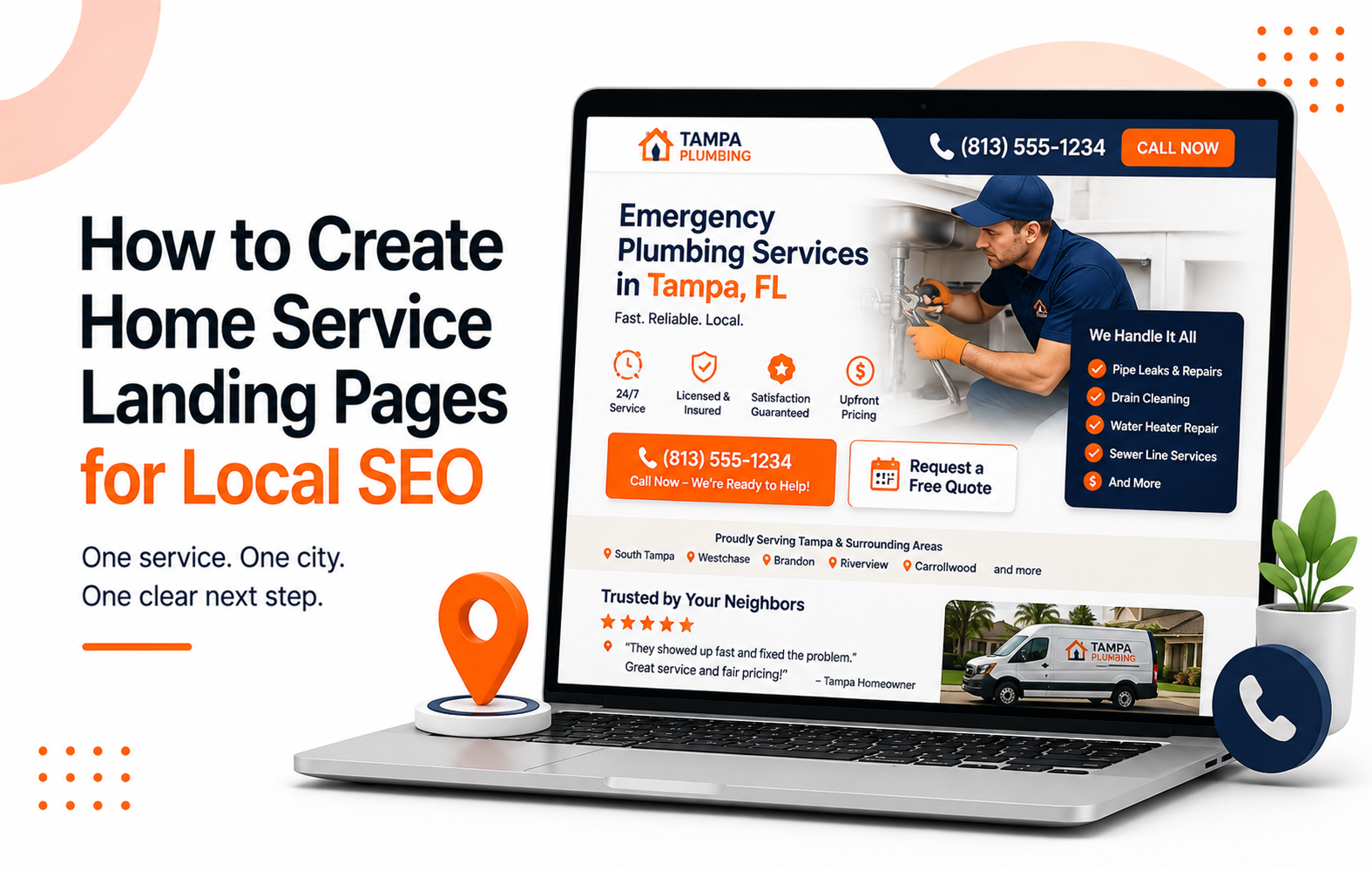
    How to Create Home Service Landing Pages for Local SEO

    A landing page that looks fine but does not make the phone ring is a brochure rather than a true digital marketing growth asset. That is the challenge many home service business owners face today.

    Many businesses publish one generic city page, swap a few place names, and hope rankings appear. The result is often low traffic, poor conversions, and lost opportunities to competitors that make it easier for customers to take action.

    The good news is that effective local SEO is simpler than most people think. A successful landing page is built for one job, one location, and one clear next step.

    Key Takeaways

    • One focused page beats one catch-all page almost every time.
    • Put the phone number and main call-to-action at the top of the page. Mobile optimization is essential for capturing visitors on the go.
    • Real local proof matters more than clever copy.
    • Detailed schema markup and short FAQ answers help search engines and AI tools understand the page content.
    • Track calls and booked jobs, not rankings alone.

    Build One Page for One Service and One City

    Here is where a lot of teams get it wrong. They send every searcher to the homepage or to generic service pages and expect it to convert. It will not work.

    If someone searches for emergency plumbing in Tampa, they should land on a page about emergency plumbing in Tampa. Not drains, not water heaters, and not your full company history. Just the job they need, in the place they need it, with a fast way to call.

    Building high-converting landing pages requires a specific focus. Each page needs an SEO-friendly headline, service details, proof, and local language.

    Keep it real. Mention the neighborhoods you serve, same-day availability if you offer it, and the specific problem the customer is dealing with right now rather than the twenty things your company can also do.

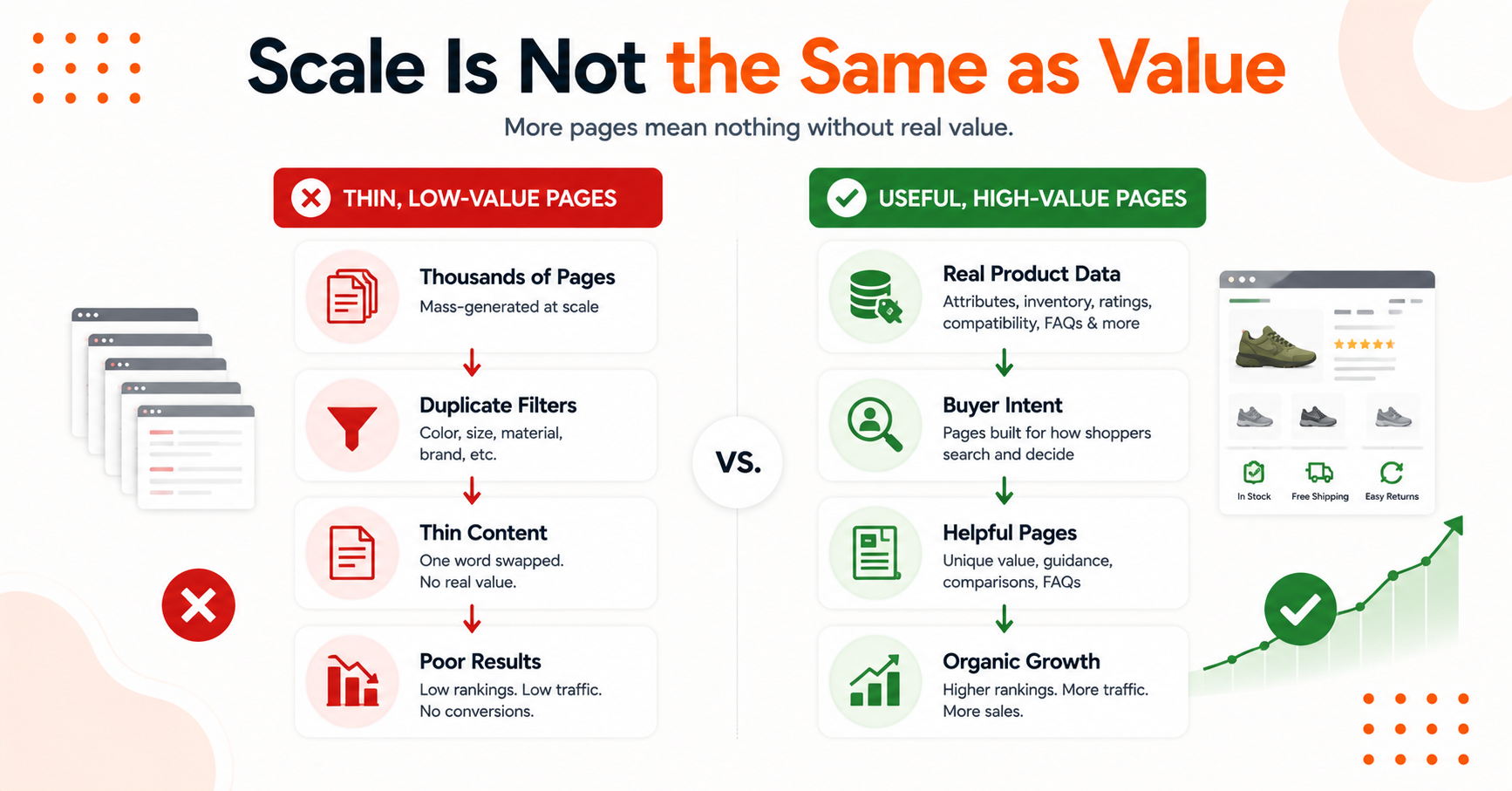
    What you do not want is a stack of cloned content with city names swapped out like license plates. Search engines and users are both better at spotting thin location pages now. If the page feels fake, trust drops fast.

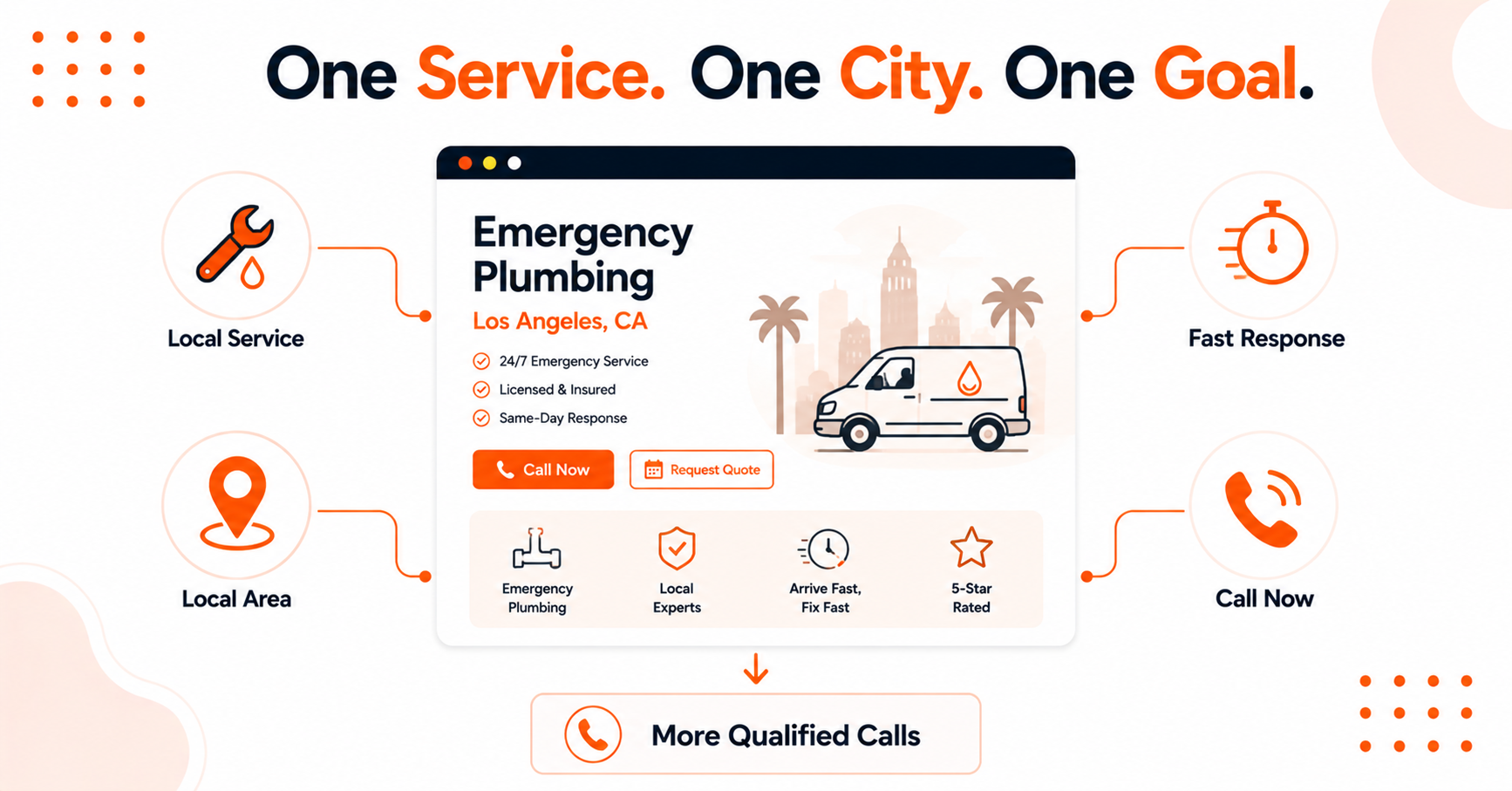
    Illustration of creating service page.

    The page should answer three questions right away:

    1. What do you do?
    2. Where do you do it?
    3. Why should someone call now?

    If you are looking at examples of how to structure your site, Salt Water Digital's local SEO landing page examples show the difference between a focused city page and a vague one.

    If a visitor cannot spot the service, city, and next step in five seconds, the page is losing calls.

    Turn Search Visits Into Phone Calls

    Ranking is only half the job. The other half is optimizing your conversion rates, and this is where a lot of home service pages fall apart.

    Your best call-to-action should be above the fold. Put the phone number where a thumb can tap it. Keep a "Call Now" or "Request Quote" button visible on mobile.

    Use simple contact forms, not a paperwork packet. Name, phone, service needed, ZIP code, done.

    Trust needs to show up early too. Put the following near the call-to-action:

    • Client testimonials
    • License info
    • Certifications
    • Financing options
    • Warranty details
    • Real job photos

    These trust signals should not be buried at the bottom like an afterthought. When someone's furnace is out or a pipe just burst, they are not reading every word. They are scanning for indicators that say, "Yes, these people look legit. Call them."

    Speed matters more than most teams want to admit. Most visitors are on phones, and your website design must prioritize mobile performance.

    If the page loads slowly, jumps around, or makes them pinch and zoom, you are done. Keep image sizes tight, cut extra scripts, and trim navigation if the page's only goal is a call or quote.

    Google Ads can send traffic today, sure. But when the spend stops, so does the traffic from PPC advertising. A well-built page that ranks organically keeps working long after the budget conversation ends.

    Give Google and AI Cleaner Signals

    Search is turning into an answer layer. People still click, but a lot of them see the answer first in search engine results. That is a big deal for home services.

    If your page is messy, generic, or hard to interpret, Google and AI systems will not trust it enough to feature it. So make the page easy to read, ensuring a positive user experience for both humans and machines.

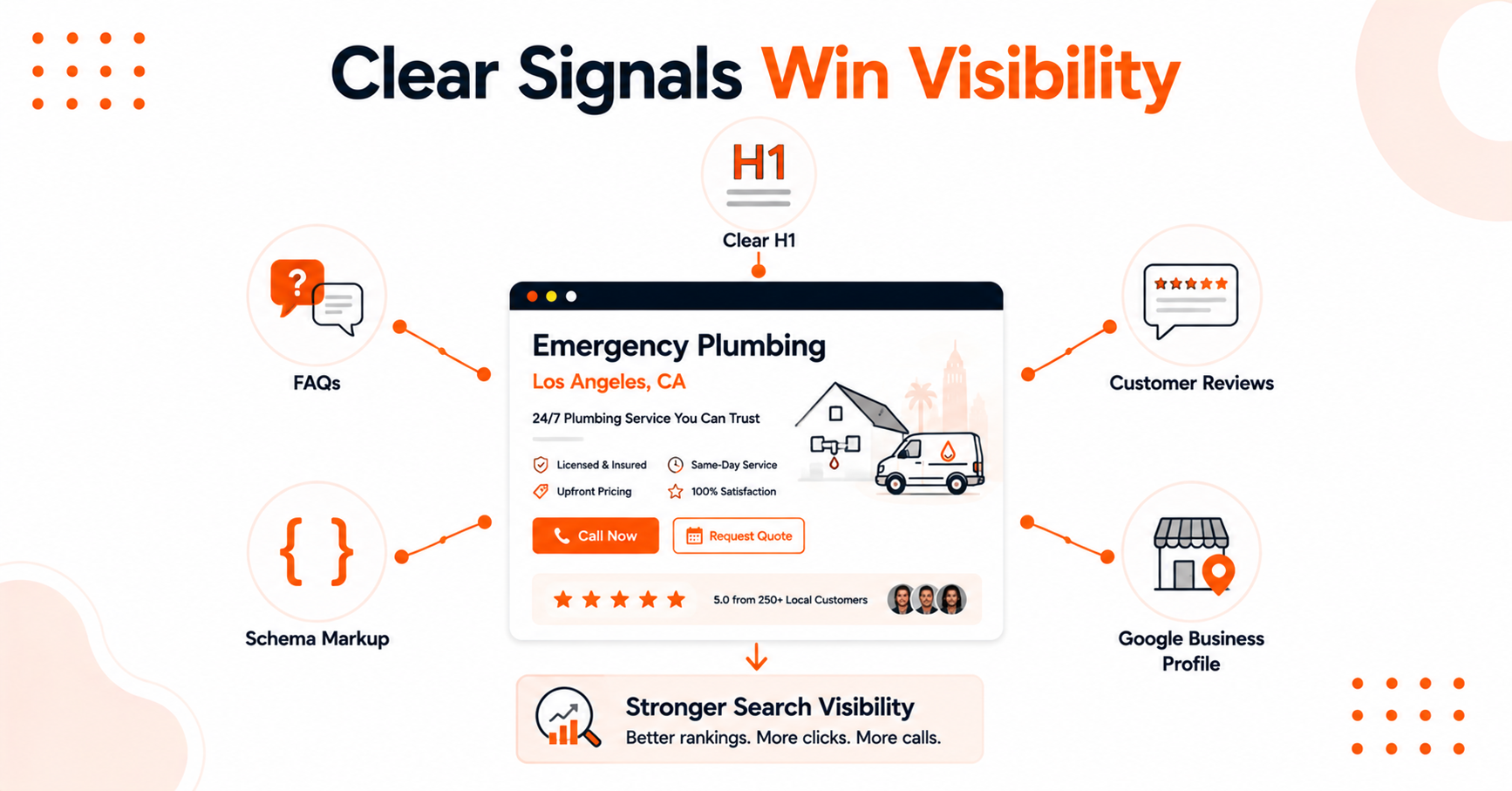
    Illustration of giving Google and AIO a clear signal.

    Start with a clean structure:

    • Use one clear H1.
    • Break the page into logical sections.
    • Add FAQ content based on real questions from calls, chats, and estimates.

    Then answer those questions in plain English, right away. A short direct answer at the top of each FAQ often gives search engines cleaner material to pull into AI summaries and featured results.

    Structured data helps too. LocalBusiness, Service, FAQ, and Review schema can remove guesswork around what the page is about. It does not force rankings, but it gives search engines a better map.

    That is the same basic idea behind semantic and entity-driven SEO. You are helping Google connect your company, your services, your location, and your reputation without having to guess.

    Consistency matters here. Your page, your Google Business Profile, local citations, and business listings should match on name, phone, service area, and service language.

    Maintaining strict NAP consistency is how authority stacks instead of getting diluted.

    Here's a resource for multi-location page strategies you can follow to see how depth and page quality work together.

    What to Track After the Page Goes Live

    Don't treat search engine rankings like trophies. Instead, treat every page as a dedicated tool for lead generation.

    Watch a short list of numbers that tell the truth:

    • Non-branded impressions for service and city searches
    • Click-through rate from search results
    • Organic traffic coming to your site
    • Phone calls, form fills, and booked jobs
    • Call quality, not only lead volume
    • Visibility for local search results and answer boxes

    If a page sits on page two, small upgrades can move it fast. Tighten the headline, improve the trust proof, add a sharper FAQ, and link to the page from relevant service and location content across the site.

    Then measure again.

    FAQs About Home Service Landing Page

    Below are additional questions that might help you.

    How Many City Pages Should a Home Service Company Create?

    Create location pages for the service and area combinations you can support with real content and verifiable proof. Start with your highest-value services and strongest markets, then scale your efforts once you have established a consistent process.

    Should Every Landing Page Have a Form and a Phone Number?

    Usually, yes. Some visitors want to call immediately, while others prefer to request a quote after hours. You should provide both options to capture every lead, but remember to keep your contact forms short and easy to complete.

    Alternatively, integrating online booking is a modern way to convert visitors who prefer to schedule service without speaking to a representative.

    Can One Landing Page Help With AI Search Results Too?

    Yes, provided the page is clear and structured effectively. Strong headings, direct answers, consistent business details, and relevant schema all make it easier for AI systems to understand and surface your content.

    Furthermore, well-structured pages often improve your Quality Score for integrated advertising campaigns, helping you drive more traffic and calls for your service area.

    Let's Build Strong Content for Better Results

    The best home service landing pages are not flashy. They are focused.

    One service. One city. One clear action.

    When the page is fast, trusted, and easy for search engines to understand, it does what it should do and drives more qualified calls.

    That is the long game. Every strong page helps your home service business keep building authority, increasing visibility, and turning more local searches into booked jobs.

    Creating content that supports long-term growth takes consistency and strategy. If you need help developing website content that strengthens your online presence and supports your local SEO efforts, Refresh is here to help. Reach out now!

  • Faceted Navigation SEO for Large Ecommerce Sites

    Faceted Navigation SEO for Large Ecommerce Sites

    Managing a catalog for large ecommerce sites can quickly turn into an SEO nightmare. It is not because your products lack quality, but because your filters can multiply URLs like rabbits, creating endless variations that confuse search bots.

    That is the core problem with faceted navigation SEO. While filters are essential for a smooth user experience, search engines do not enjoy crawling endless URL combinations.

    Your goal is to balance these technical constraints with the needs of your shoppers, ensuring you maintain crawl efficiency and indexation health without negatively impacting your revenue.

    Key Takeaways

    • While faceted navigation is essential for a positive user experience, it can flood your site with thin content, duplicate, or near-duplicate URLs.
    • Not every filter page should be indexable. The smart move is to keep pages with real search demand and suppress the rest.
    • Crawl control and index control are different jobs. You usually need both.
    • Canonical tags help, but they do not fix everything if search bots can still crawl endless filter combinations.
    • Strategic internal linking should strengthen a small set of high-value filtered pages, not spray authority across thousands of low-value URLs.
    • The goal is simple: protect crawl budget, consolidate authority, and grow organic revenue, not page count.

    The win is not "let Google crawl every filter." The win is "let Google find the few filter pages that can actually rank and sell."

    Why Faceted Navigation Breaks on Large Catalogs

    Faceted navigation lets shoppers narrow a category by brand, size, color, price, material, rating, stock status, and various other filtering options. Useful? Absolutely. Harmless for SEO? Not even close.

    Here is where things go sideways. Each filter adds another branch of URLs. Then another. Then combinations of combinations.

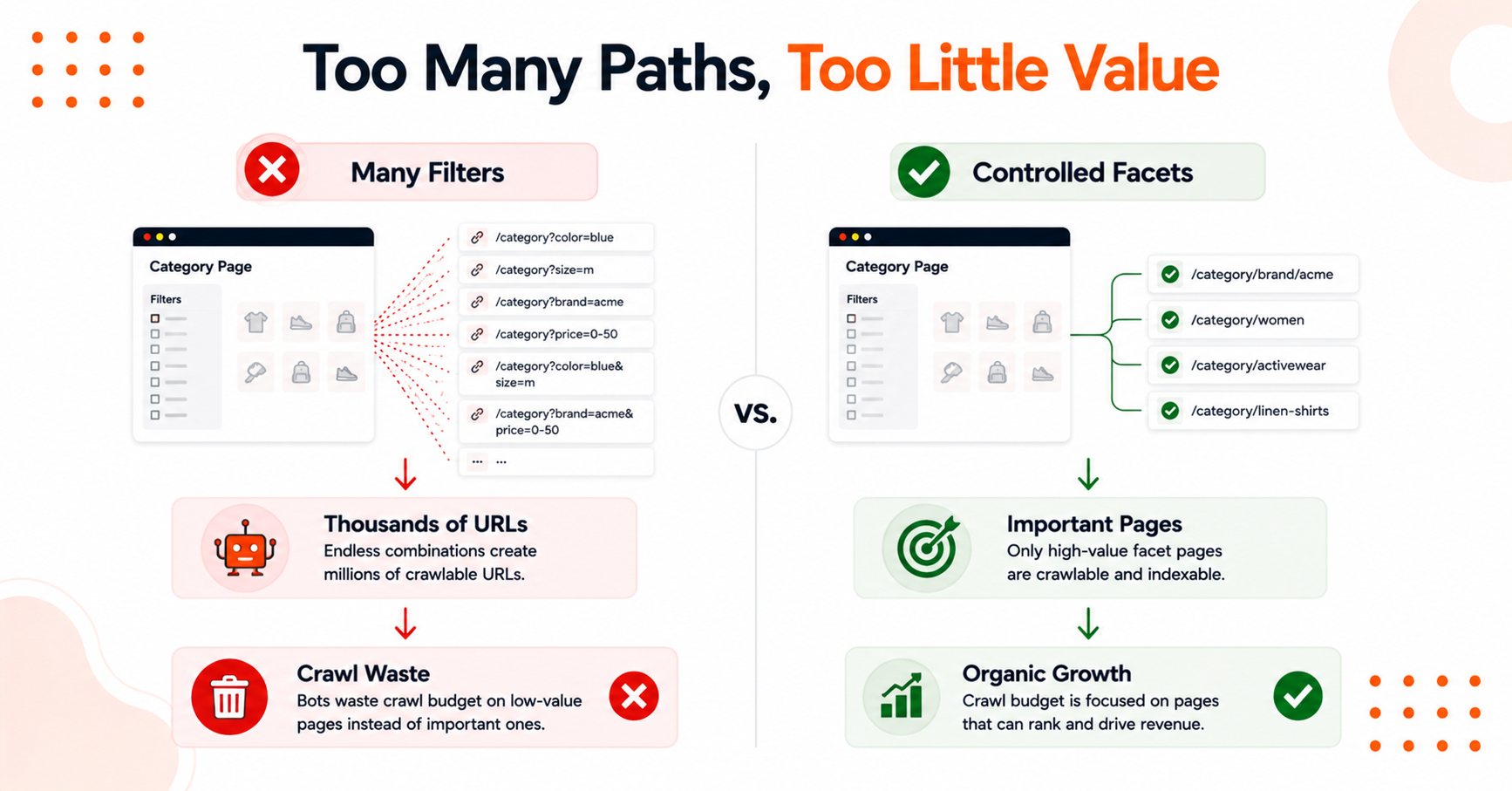
    Illustration showing too many paths, too little value of some pages.

    A category with ten filter types can quietly turn into thousands, sometimes millions, of crawlable states generated by unique URL parameters.

    Think of it like a warehouse with every side door left open. Search engine crawlers do not know which doors matter most. They keep wandering into storage closets while your best category pages wait at the front.

    That creates four common problems:

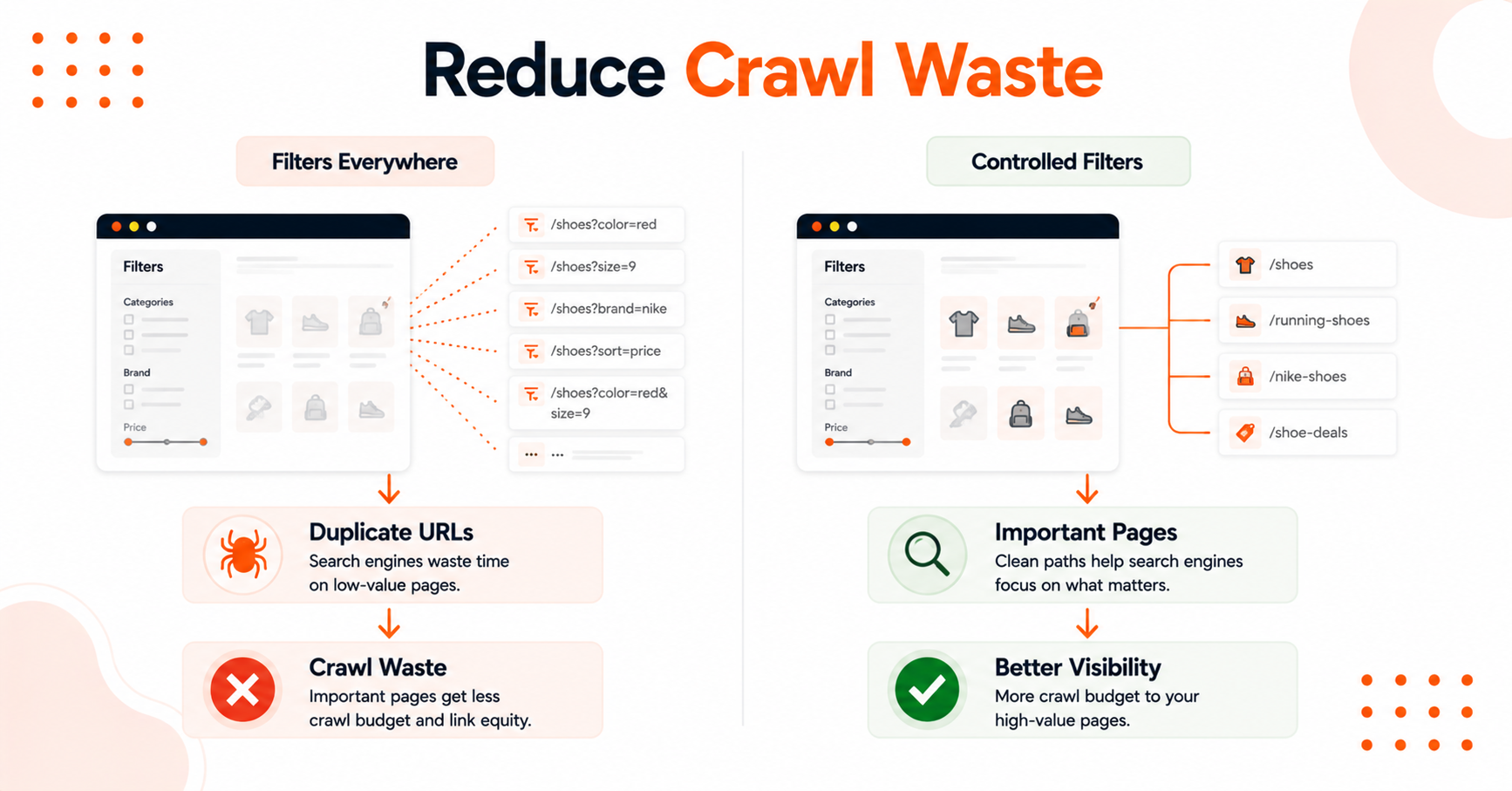
    1. Crawl wasteBots spend your limited crawl budget on junk URLs instead of your core categories and products.
    2. Index bloatToo many weak pages get indexed, which makes the whole site look less focused.
    3. Diluted authorityInternal links and external link signals get split across multiple versions of the same basic page.
    4. Thin differentiationIf a filter combination results in duplicate content, where "blue, size 9, under $100" looks almost the same as "blue, size 9, under $120," those URLs do not deserve separate lives in search.

    This is not a fringe issue. It is one of the most common technical SEO problems on large ecommerce sites.

    The good news is that the fix is usually not to remove filters. The fix is control.

    Choose Indexable Facets With Real Demand

    The biggest mistake is treating every filter state like a landing page. Most are not. Some are gold, but most are noise.

    A good rule is to split facet pages into three buckets:

    • Keep indexable pages that match real search behavior and help people buy.
    • Keep crawlable but non-indexed pages that help users but do not deserve rankings.
    • Stop creating crawlable URLs for low-value combinations in the first place.

    That sounds simple because it is simple. The hard part is discipline.

    Before you open any filter to indexing, ask three questions:

    1. Does this combination have real search demand?
    2. Is the page meaningfully different from the parent category?
    3. Can it convert if it ranks?

    If the answer is no, no, and maybe, that page should not be in the index.

    This quick reference usually holds up well:

    Facet TypeUsually Indexable?WhyBrand + categoryOften yesStrong search demand and clear intentGender or audienceOften yesCreates distinct shopping pathsMaterial or styleSometimesWorks when demand is provenPrice rangesRarelyUsually too thin and too volatileSort orderNoNo search valueIn-stock onlyNoTemporary state, weak as a landing pageMulti-filter combinationsRarelyEasy to duplicate, hard to justify

    The takeaway is not to index more pages; it is to index better pages. By focusing on specific long-tail keywords that align with genuine user queries, you can turn your filter system into a powerful discovery tool.

    In practice, many high-performing stores use faceted search to create stable SEO landing pages for a small set of valuable combinations instead of opening the whole filter universe.

    When you align your indexable pages with verified search demand, you gain cleaner URLs, stronger copy, tighter internal links, and a better shot at non-branded revenue.

    This is long-game work, and that is the point. Every stronger collection page builds more authority, more trust, and more margin on future traffic.

    Use Crawl and Index Controls Together

    Now let's get practical. Good faceted navigation SEO depends on two separate controls: crawl control and index control. People blur those together all the time, but they shouldn't.

    • Index control is about what can appear in search.
    • Crawl control is about what bots spend time visiting.

    A canonical tag helps with consolidation, but it is not a force field. If Google can still crawl a million low-value filter URLs, you still have a crawl problem. You just have a canonical tag sitting on top of it.

    A noindex tag can keep pages out of search results, but it does not always stop crawling either. That matters on huge inventories where bot time is finite.

    So what usually works?

    • Use a canonical tag for close variants when you want signals consolidated to a stronger version.
    • Use a noindex tag for pages that help users but should stay out of the index.
    • Limit internal links to junk filter states.
    • For truly low-value refinements, do not generate unique crawlable URLs at all if you can avoid it.

    Instead, consider using AJAX navigation or other client side JavaScript solutions to ensure these states remain non-crawlable.

    Be careful with robots.txt. Blocking faceted URLs in robots.txt can reduce crawling, but it also prevents bots from seeing on-page directives like canonical tags or noindex tags.

    That is why blanket robots.txt disallow rules often create as many problems as they solve.

    A better setup often looks like this:

    • High-value facet pages get stable, crawlable, indexable URLs.
    • Mid-value states stay usable for shoppers but are not indexed.
    • Low-value combinations stay client-side.

    This is also where URL structure matters more than most teams think. Keep URL parameters consistent in their order. Avoid multiple URL versions for the same state.

    Do not let sort, pagination, and filter values pile into endless duplicate patterns. Proper parameter handling is essential to avoid the bloated crawl paths that plague large sites. Ensure your URL parameters are managed logically to prevent the creation of infinite paths.

    And no, schema markup will not rescue messy filter logic. Breadcrumb, product, and collection markup can help search engines understand page meaning, and that same structure can help answer engines interpret the site more cleanly, but weak URL governance is still weak URL governance.

    Strengthen Internal Linking and Watch Revenue

    Once the right pages are chosen, support them like you mean it.

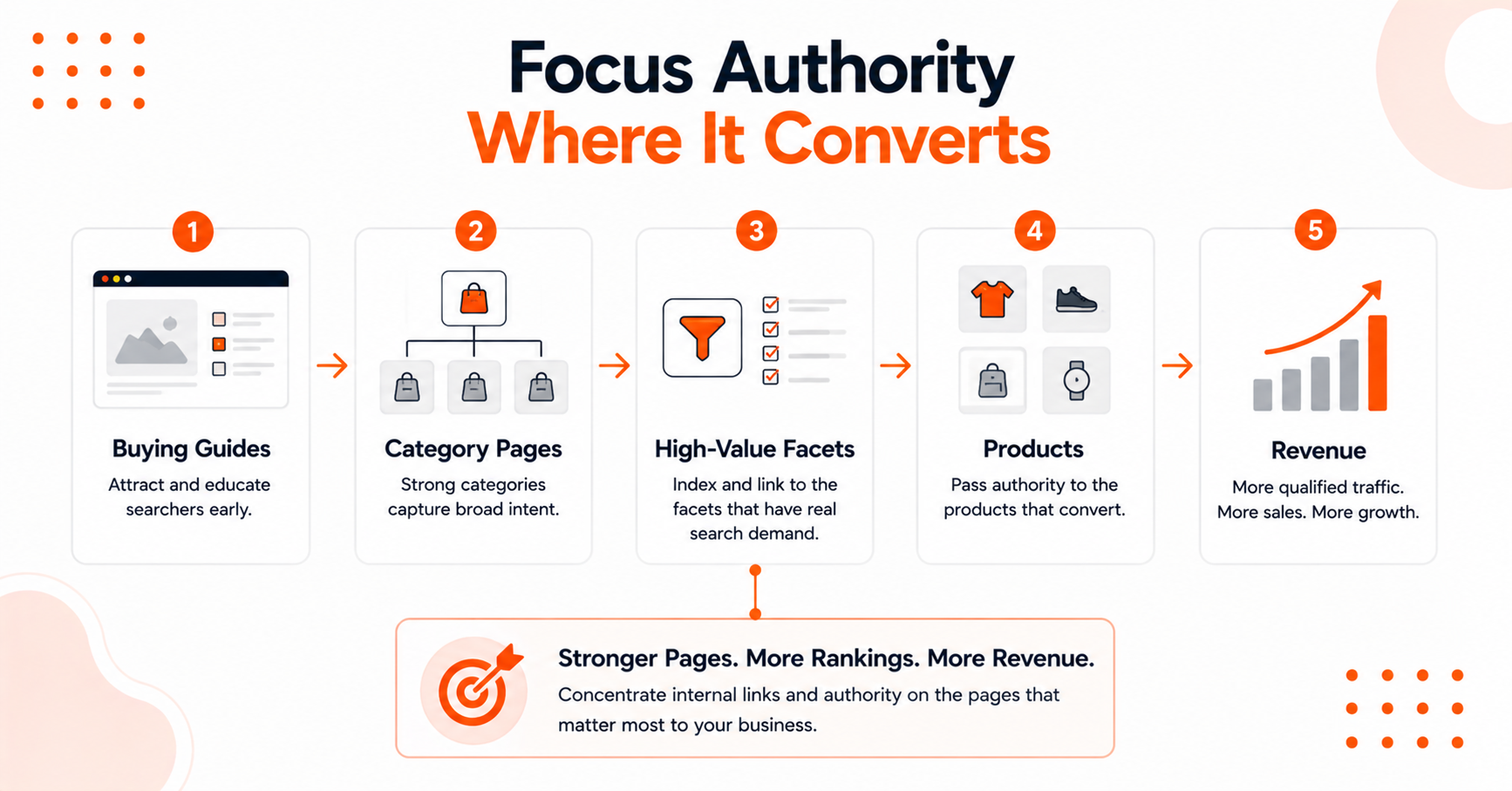
    Illustration of strengthening the website's internal link.

    That means linking intentionally to the filtered pages that deserve to rank. Add internal links from:

    • Category intros
    • Buying guides
    • Brand hubs
    • Seasonal collections
    • Related navigation paths

    Do not dump every filter combination into crawlable menus, footers, and faceted widgets sitewide. That is how your link equity gets sprayed everywhere and concentrated nowhere.

    The strongest faceted pages often behave more like curated category pages than raw filter results. They need clean titles, useful copy, smart product mixes, and enough context to help both users and search engines understand why the page exists.

    Then measure what matters. Rankings are nice, but orders are better.

    Perform a regular site audit to keep tabs on your progress. Watch indexed page counts, server logs, and Google Search Console performance.

    Check which filtered pages earn non-brand impressions, which ones convert, and which ones soak up crawl without producing traffic.

    If a page is stuck near page two, stronger copy, a tighter product mix, or a better FAQ section can move it.

    For another outside perspective, Search Engine Journal's guide to faceted navigation is worth reviewing against your current setup.

    FAQs About Faceted Navigation SEO

    Below are related questions you might ask for.

    Should Every Filter URL Canonicalize to the Parent Category?

    No. If a filtered page has real demand and a clear purpose, it may deserve its own indexable URL. Using a canonical tag to point everything to the parent category can throw away valuable ranking opportunities for long-tail search queries.

    Is Noindex Enough for Low-Value Faceted Pages?

    Usually not. Noindex handles indexation, but it does not prevent crawl waste. If search bots can still reach endless URL parameters, you may need to block specific paths in your robots.txt file or use other methods to stop generating crawlable links for those low-value states.

    Which Facet Pages Are Usually Worth Indexing?

    Pages tied to strong search intent, like brand plus category or category plus audience, are often the best candidates. Price filters, sort orders, and temporary stock states usually aren't worth indexing because they rarely provide unique value to a search user.

    Can Filtered Pages Drive Organic Revenue?

    Yes, when they are chosen carefully. A small set of well-built facet pages can capture high-intent searches and grow non-branded revenue while helping you avoid the common trap of duplicate content.

    The key is to support these pages with proper structured data, which allows product markup to complement your filter strategy and helps search engines better understand the offerings on your site.

    Need Help Building Content Around Real Search Demand?

    Large inventories do not lose organic growth because they have too many products. They lose it when search bots get trapped in endless variations of the same page, creating duplicate content issues that dilute authority and waste crawl resources.

    Effective faceted navigation SEO is about control. Keep the pages that match genuine search demand, suppress the ones that do not, and focus your authority on the filtered pages that can actually rank and drive revenue.

    Refresh helps businesses build SEO strategies and content that support sustainable organic growth. If you need help improving your ecommerce site's visibility and performance, schedule a call now!
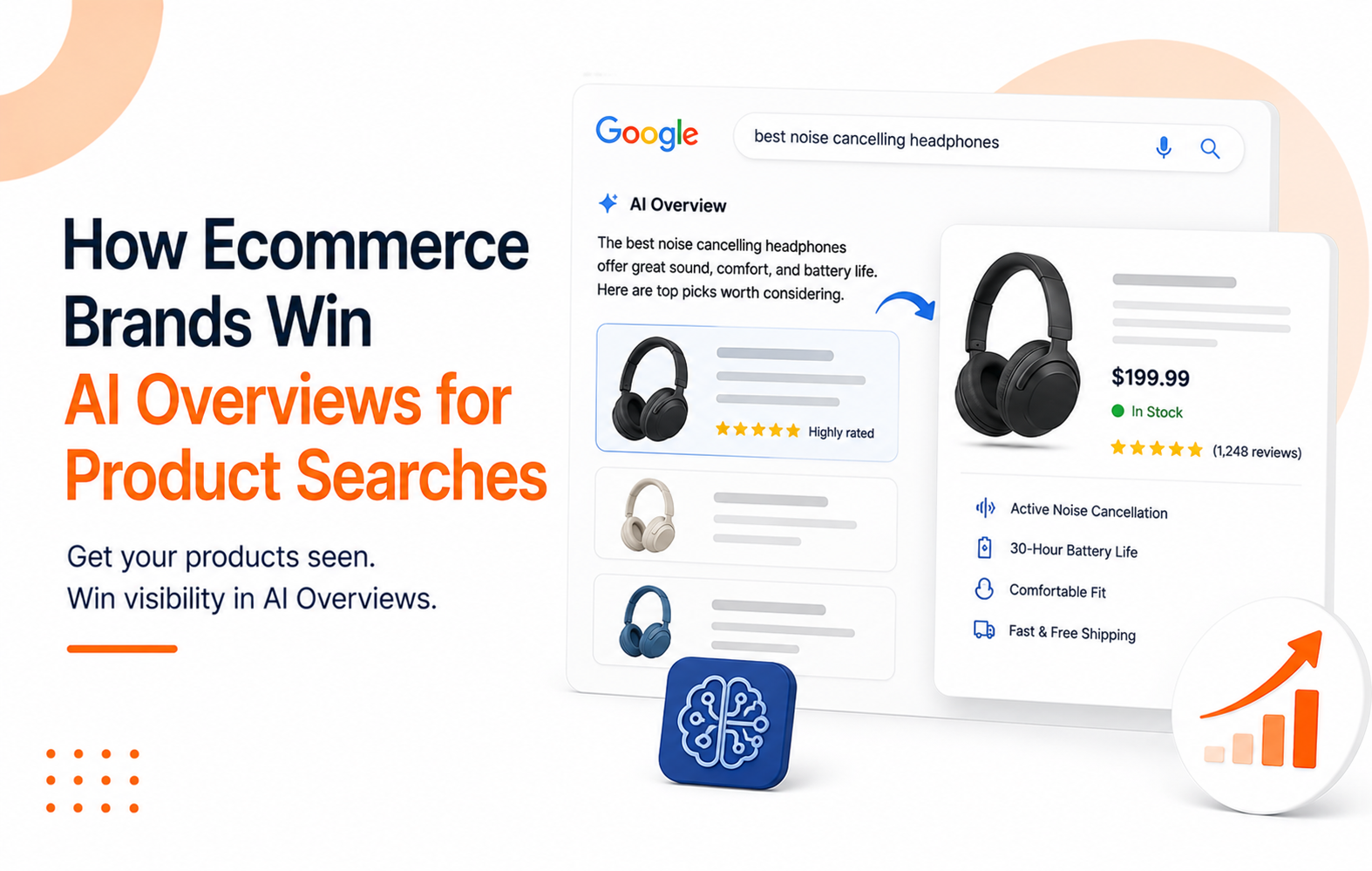
  • How Ecommerce Brands Win AI Overviews for Product Searches

    How Ecommerce Brands Win AI Overviews for Product Searches

    Mastering ecommerce AI overview optimization is now essential for maintaining market share in an evolving search landscape. This guide outlines the strategies that can help your brand earn placement in AI Overviews, recover visibility, and stay competitive in an era of zero-click search.

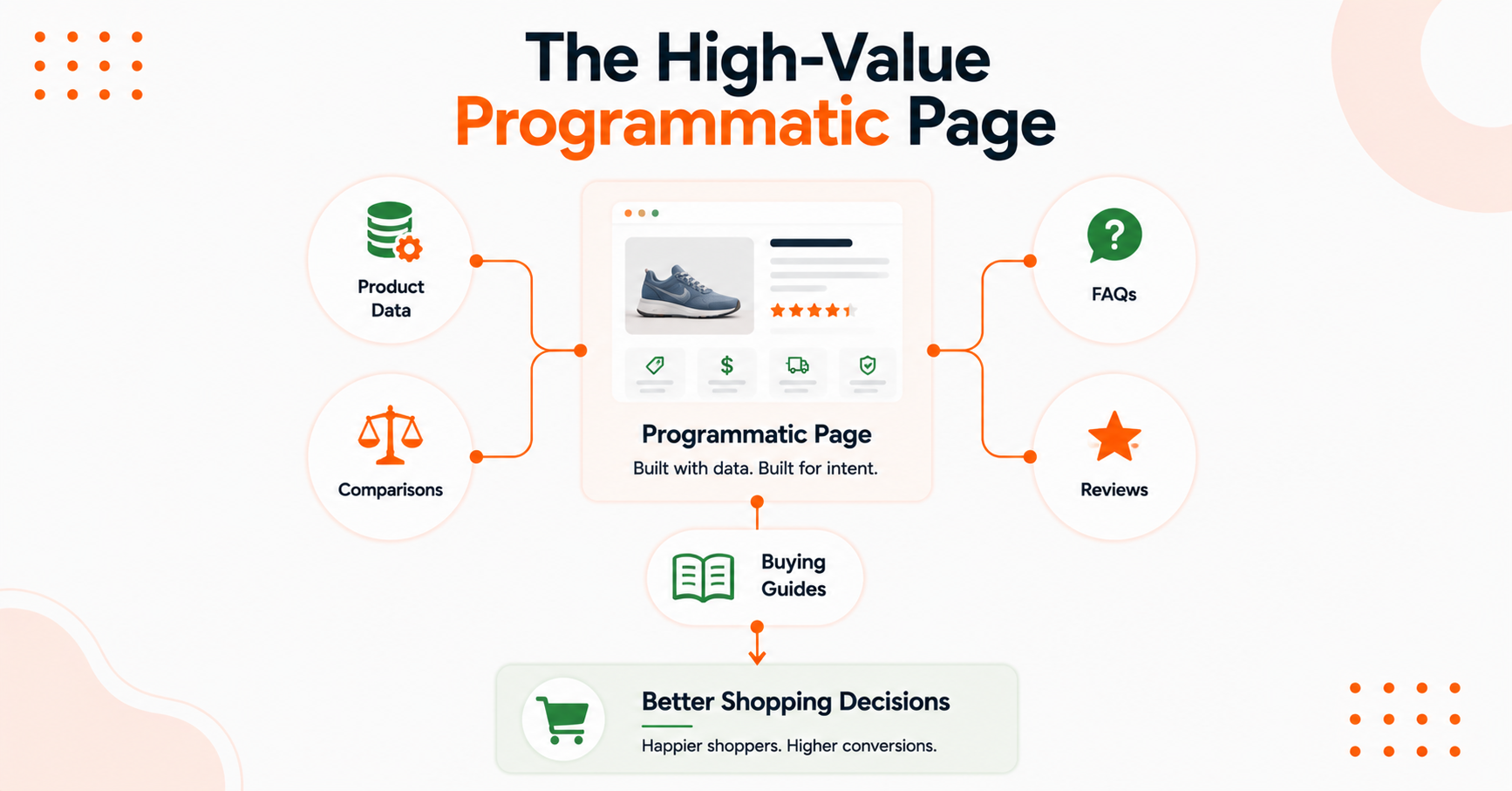
    By aligning your catalog with how machines process information, you increase the chances of your products appearing throughout the consumer journey. The brands that win visibility are often the ones that make their content easier for search engines to understand, trust, and surface.

    The product page does not always get the click anymore because Google often answers first. This is a fundamental shift that many ecommerce teams still underestimate.

    If your catalog is not built to be parsed by these automated systems, you can lose visibility before a shopper ever lands on your site, compares options, or adds anything to their cart.

    The good news is that this process is not random. Brands that win these product query answers usually do a few simple things better, and they do them consistently.

    Key Takeaways

    • Google favors product and support pages that are easy to read, trust, and quote. If your content is vague, incomplete, or stale, it is more likely to be skipped by AI Overviews.
    • Implementing robust structured data is essential. Factors such as price, availability, reviews, high-quality images, and clean product details should align with how shoppers actually search.
    • The best page type depends on the query. A product page can win, but so can a category page, comparison page, FAQ, or buying guide, making this a central component of any modern technical SEO strategy.
    • Reviews, FAQs, and short answer-first copy help Google pull usable product summaries faster, especially for high-intent searches.
    • This is long-game work, not a one-week hack. Unlike paid traffic, strong organic visibility can continue compounding long after the initial optimizations go live.

    How Google AI Overviews Change Product Discovery

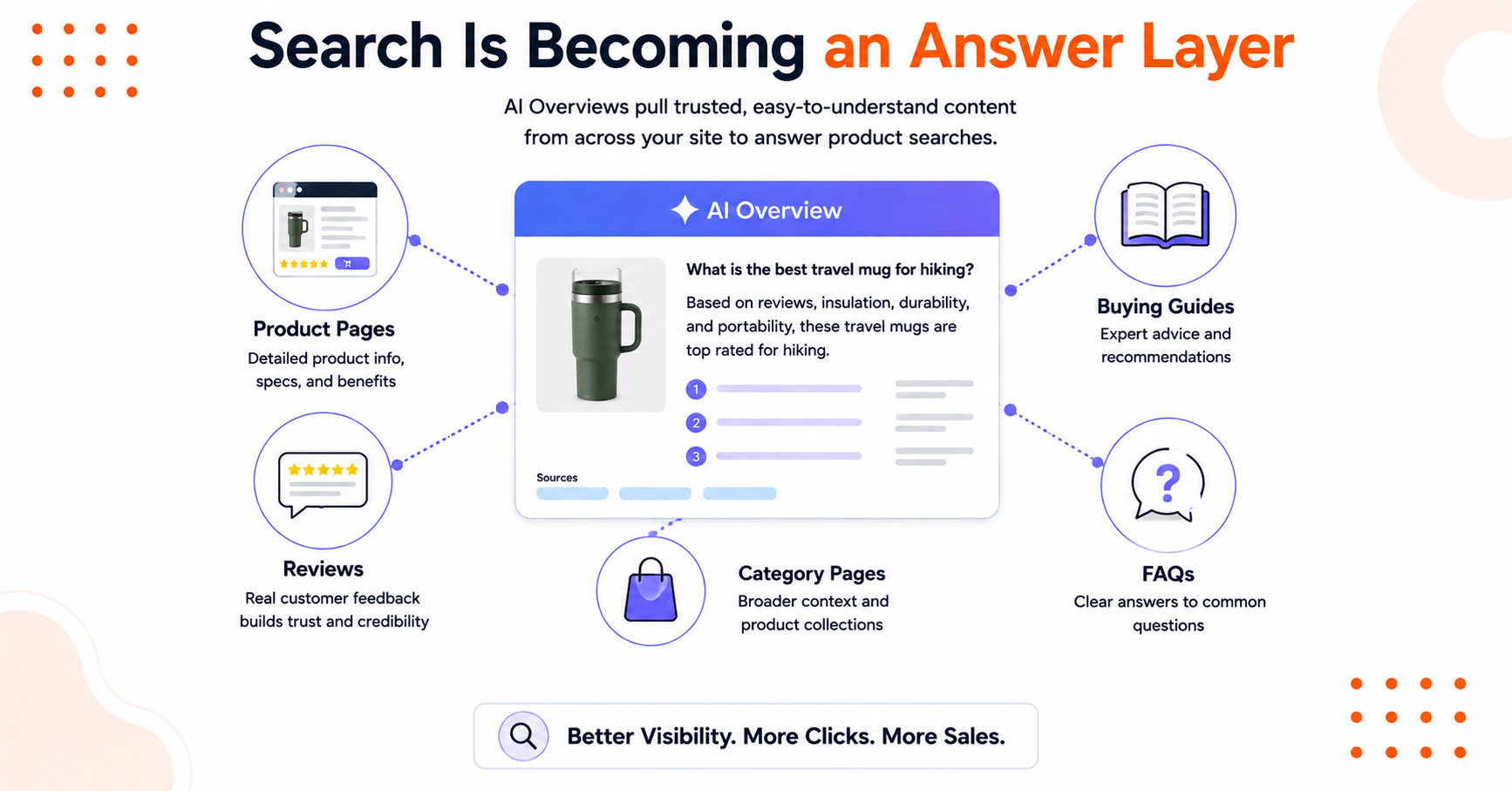
    Shopping search has evolved into an answer layer.

    A shopper searches for "best travel mug for hiking" or "silk pillowcase for curly hair," and Google may use generative AI to summarize the options right on the results page. That summary pulls from pages that Google can interpret quickly. Clean facts win, while messy merchandising copy loses.

    This matters because these systems are not only looking for a page about a specific topic. They are designed to address conversational queries by evaluating whether a page answers the product question clearly, backs it up with useful detail, and looks trustworthy enough to cite.

    Google's own AI optimization guide pushes the same basic idea: make content accessible, machine-readable, and genuinely helpful.

    Illustration of search becoming an answer layer.

    If Google can lift a clean answer from your catalog, you can win visibility before the click in AI Overviews. If it cannot, someone else's page becomes the shortcut.

    That changes the job for ecommerce teams. The old playbook was simple: rank the PDP, run Shopping ads, and keep moving.

    The new one is broader. Your product page still matters, but now your supporting content, structured data, reviews, and catalog hygiene all affect whether your brand appears in the answer itself.

    And here is the part people miss. Winning visibility for product queries is not different from modern SEO. It is the same core work, pushed into a stricter format.

    Search needs to understand the exact user intent, identify what the item is, determine who it is for, and explain why it fits the query. By leveraging semantic SEO, you help the engine interpret your product data beyond basic keyword matching to ensure your page remains relevant.

    Why Most Product Pages Never Get Cited

    Most product pages are built to sell once someone arrives, rather than being built to answer questions.

    That is a problem.

    A lot of PDPs open with fluffy copy, bury specs, hide shipping details, and treat reviews like an afterthought. Some still have stale prices, thin descriptions, and five nearly identical variant pages competing with each other.

    That may limp along in traditional search, but it does not give an AI system much to work with.

    Google is trying to reduce uncertainty. When your page leaves basic questions unanswered, it looks risky.

    Questions like these should be easy to answer:

    • What is the product, exactly?
    • Who is it for?
    • How is it different?
    • Is it in stock?
    • Is the price current?
    • Are real buyers saying anything useful about it?

    If those answers are scattered across tabs, weak copy, and outdated feed data, the page is hard to reuse. That is why a lot of brands with decent authority still do not show up for product-focused results.

    The issue is not only backlinks, it is clarity.

    Another common miss is inconsistency. The same product gets one name on the category page, another in schema, and a third in review snippets or image filenames.

    That is not a small detail; it is friction. Search engines are getting better at understanding entities, but you still do not want them guessing which version is the real one.

    Then there is the support content gap. Brands expect the PDP to do everything, even when the query is clearly comparative or educational.

    If someone searches "best standing desk for small apartment," a thin product page may not be the right result at all. A tightly built comparison or buying guide can do better because it answers the question directly and then routes the shopper into the right product.

    Build Pages AI Can Read, Trust, and Quote

    This is where ecommerce teams can make fast progress. You do not need to publish 500 new blog posts. You need cleaner product truth.

    By optimizing your Product Detail Pages (PDP) with comprehensive information, you create a foundation that both shoppers and bots can rely on.

    Put Structured Data on Every Product Page

    Start with product schema. Not sometimes. Not only on hero products.

    Every serious PDP needs it. Implementing robust Schema markup is the most effective way to communicate directly with search algorithms.

    That includes the basics:

    • Product name
    • Brand
    • Description
    • Image
    • Price
    • Currency
    • Availability
    • Rating
    • Review data when available

    Offer details matter because stale or missing price and stock information makes a page look unreliable.

    While product schema does not guarantee visibility, it gives Google cleaner inputs. That alone raises your ceiling for AI Overviews.

    This is one reason why AI Overviews for product queries often favor merchants with disciplined catalogs. Their pages do not make Google infer everything.

    They label it. They update it. They keep it consistent.

    To ensure your data is always accurate, utilize Merchant Center Next to monitor your shopping feeds. This helps ensure that the information being processed by generative AI remains consistent with your live site.

    Don't stop at markup. Make sure your visible page matches the structured data.

    If schema says "in stock" but the page says backordered, that is a red flag. The same applies to pricing mismatches between the page, feed, and merchant listings.

    Write the First Answer Fast

    The top of the page needs to do more than sound on-brand. It needs to answer the shopper's main question fast.

    A good opening block usually explains:

    • What the product is
    • Who it is for
    • The main reason to choose it

    Keep it tight. If you are targeting product-style answer boxes or AI citations, a 40 to 60-word summary often works better than a long intro that wanders.

    Think about how real people search. They do not ask for "premium hydration innovation."

    They ask whether the bottle fits in a cup holder, keeps water cold, or survives a hiking trip. Your page should answer those questions with direct language.

    That means adding concrete details like:

    • Material
    • Size
    • Compatibility
    • Fit
    • Skin type
    • Battery life
    • Scent profile
    • Storage
    • Care instructions

    Whatever actually matters for the product.

    The more specific the page, the easier it is for Google to match it to a specific query.

    The same goes for images. Use sharp images with descriptive alt text and filenames that reflect the product and context. Image understanding is part of product understanding now, not a side quest.

    Strengthen Brand and Offer Signals

    AI systems do not only read the product block. They read the business around it.

    Transparent shipping and return policies help. So do contact details, warranty information, brand story pages, author or expert contributions where relevant, and consistent naming across the catalog.

    If your supplement brand, skincare line, or gear company has real expertise behind the products, make that visible.

    Reviews matter here too, but not only the star average.

    What matters most includes:

    • Freshness
    • Depth
    • Specificity

    A page with recent, detailed buyer feedback is easier to trust than one with twenty vague five-star blurbs from 2023.

    This is also where broader answer-engine work starts to overlap with ecommerce SEO. The same structured, entity-clear content that helps you show up in Google answers can support visibility across other AI surfaces too.

    If you are building for search, AI, and discoverability at the same time, Refresh's AEO and video marketing strategy is built around that exact shift.

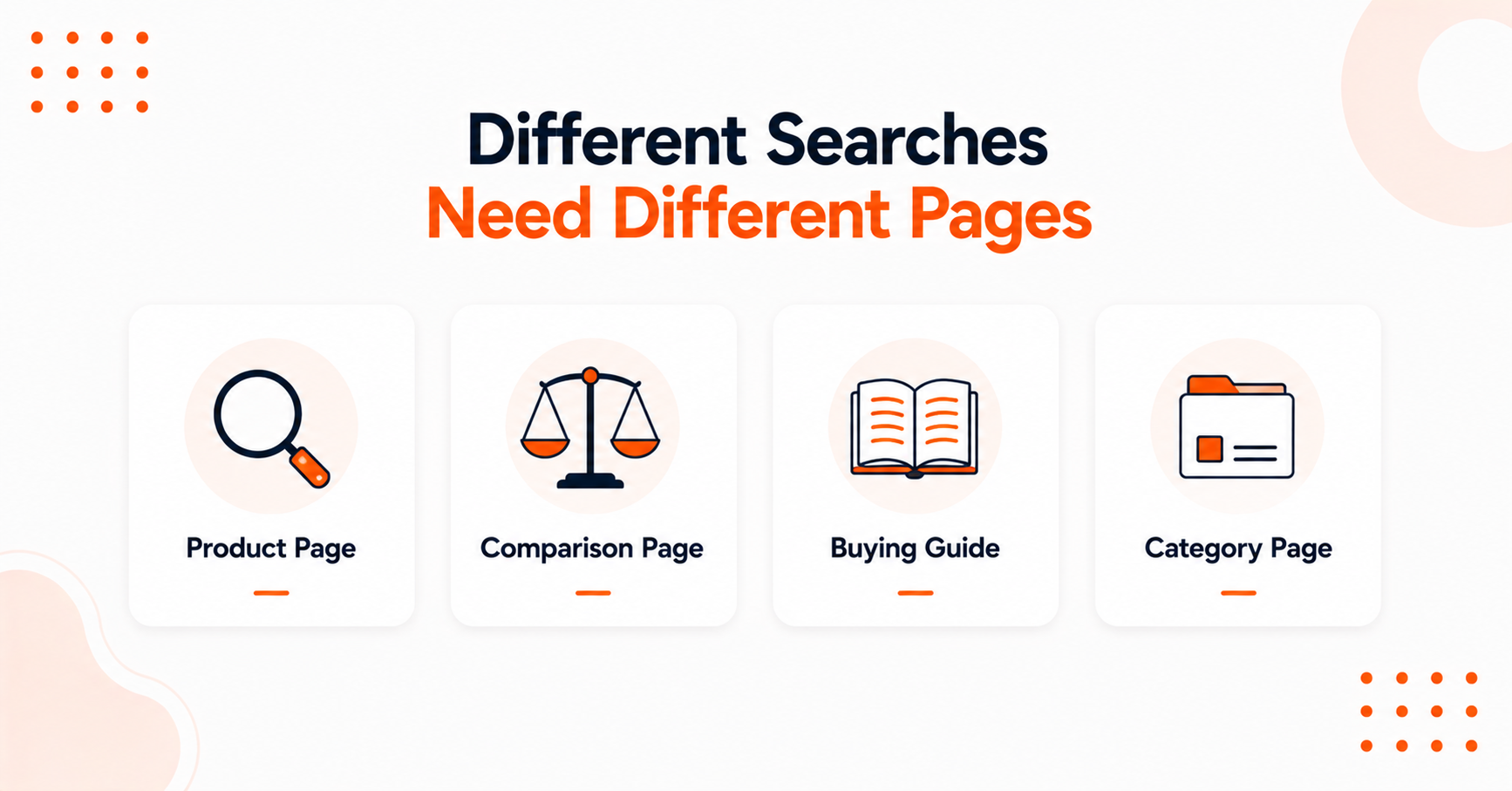
    Match the Query to the Right Page Type

    Not every product query should land on a PDP. Understanding user intent is essential here, as aligning your content with the specific way shoppers search helps you capture everything from transactional clicks to informational keywords that signal early-stage research.

    Illustration of different searches need different pages.

    This is where smart merchandising beats brute-force optimization. Different searches call for different page formats, and generative AI is increasingly skilled at identifying which page type best satisfies the user.


    Query Type Mapping Table


    Query Type Best-Fit Page Why It Works
    “buy silk pillowcase queen” Product page High intent, clear product match
    “best travel mug for hiking” Comparison page or buying guide Needs evaluation, not just a SKU
    “running shoes for flat feet” Category page Shopper wants options within a use case
    “does this stroller fit in overhead bin” FAQ or product page section Specific answer can be quoted directly
    “our serum vs retinol cream” Comparison page Side-by-side format is easy to reuse


    The takeaway is simple: stop forcing every search into the same template.

    Category pages can win when the shopper wants a filtered set of options. Buying guides can win when the search has a clear problem to solve.

    Comparison pages can win when the query is about tradeoffs. Product pages can absolutely win too, but usually when the search intent is close to purchase or tied to a precise feature.

    A strong ecommerce content system covers all of those angles. That is how visibility compounds.

    You are not publishing random support pages. You are building the exact assets Google needs for different types of product questions.

    Reviews, FAQs, and Fresh Merchandising Signals

    If structure is the skeleton, reviews and FAQs are the proof.

    Product queries in AI Overviews often pull from pages that answer practical buyer questions better than the average merchant does.

    Modern natural language processing allows generative AI to sift through customer feedback and extract specific, helpful answers that resolve shopper intent. These sections act as essential citation signals, confirming for AI Overviews that your content provides the authoritative, real-world context users are looking for.

    Avoid fake filler content. Instead, use actual questions from:

    • Support tickets
    • Reviews
    • On-site search
    • Pre-purchase chats

    For a stroller, that might be "Does it fit in a trunk?" For cookware, "Is it induction-compatible?" For apparel, "Does it run small?"

    These are the questions that move shoppers from curiosity to confidence.

    Put the question in a heading. Answer it right away. Then add a little proof, context, or edge-case detail below.

    That format is easy to read and easy for Google to lift. Fresh reviews help for the same reason. They add current language, current use cases, and current trust.

    Keep your merchandising signals fresh too. Price, stock, shipping speed, bundle details, and variant availability should not lag behind reality.

    If your product page still says "limited stock" three weeks after the item sold out, the whole page starts to feel suspect.

    This is the boring part of the job. It is also the part that wins.

    How to Measure What Is Working

    Don't treat AI Overview visibility like a trophy screenshot. Treat it like a growth asset.

    Start with the pages that already earn non-brand impressions and sit close to the top results. These are often the easiest wins.

    If Google already trusts the page enough to rank it, better structure and stronger answers can push it into citation territory.

    To track your progress, rely on Google Search Console to monitor keyword performance and Merchant Center Next to keep your product data accurate.

    Keep a close watch on:

    • Target queries
    • Ranking position
    • Organic traffic
    • Page-level conversions
    • Review freshness
    • Whether the page appears in AI-generated search summaries

    Pay attention to the answer format Google prefers. It might favor a short paragraph in some cases or a comparison-style layout in others.

    Also, look at assisted revenue rather than only direct last-click sales. A category guide or FAQ page may influence conversions even if it doesn't close them.

    That is still a win.

    Finally, keep expectations sane. Some pages move quickly after technical fixes or better answer blocks.

    However, bigger gains usually come after you have cleaned up your page structure through rigorous technical SEO, improved internal linking, and refreshed stale product detail pages across the entire catalog.

    That is how this channel compounds. Paid traffic stops when the spend stops, but owned product visibility keeps working.

    FAQs About AI Overviews for Product Queries

    Below are additional questions you might ask.

    Do Product Pages Really Win AI Overviews, or Do Guides Work Better?

    Both can win AI Overviews. The best page type depends on the search intent.

    If the query is close to purchase, a strong product page often makes sense. If the query is comparative, use-case driven, or problem-first, a buying guide, comparison page, or category page may be a better fit.

    The goal is to match your content to the user intent. For many brands, success in AIO depends on providing high-quality answers that satisfy the user immediately without requiring additional clicks.

    Is Schema Markup Enough on Its Own?

    No, schema markup is not enough on its own. Schema helps AI crawlers understand the page, but it does not rescue weak content.

    You still need clear copy, current offer data, useful reviews, and a page structure that is easy to quote. Think of schema as a translation layer that helps you earn rich results; it helps, but it cannot fix a confusing product page by itself.

    To truly gain an edge, your content must demonstrate high levels of E-E-A-T, proving to search engines that your brand is a trusted authority in your niche.

    How Long Does It Take to See Movement?

    It varies by site quality, crawl frequency, and how competitive the query is. Some product pages improve quickly after you fix structured data, answer blocks, or stale details.

    Because the Gemini language model processes data differently than traditional search algorithms, results can shift as the model updates its understanding of your catalog. Broader gains usually take longer because they depend on consistency across many pages.

    This is medium-term work, and that is exactly why it compounds.

    What Should Ecommerce Teams Fix First?

    Start with the pages already closest to winning. High-impression product and category pages often provide the fastest opportunities for improvement.

    Look for weak copy, thin specs, old reviews, missing FAQs, or incomplete schema. Clean those up first to better cater to generative AI and its tendency to pull from comprehensive, accurate information.

    Then move into comparison content, supporting guides, and broader catalog consistency. That is usually the fastest route to better visibility for AI-driven product searches.

    Need Help Building Content for AI-Powered Search?

    The brands that win product visibility in AI search are not stuffing pages with more copy. They are making their catalogs easier for machines to understand through clear structure, complete product data, direct answers, and content that matches search intent.

    As AI Overviews continue to reshape product discovery, visibility depends on more than just rankings. Your content, product pages, reviews, and supporting resources all play a role in helping search engines understand and surface your products.

    Refresh is an organic growth marketing agency that helps brands improve visibility across search, off-site visibility opportunities, ChatGPT Shopping, and Perplexity Shop. If you want help strengthening your ecommerce search presence, schedule a call today.

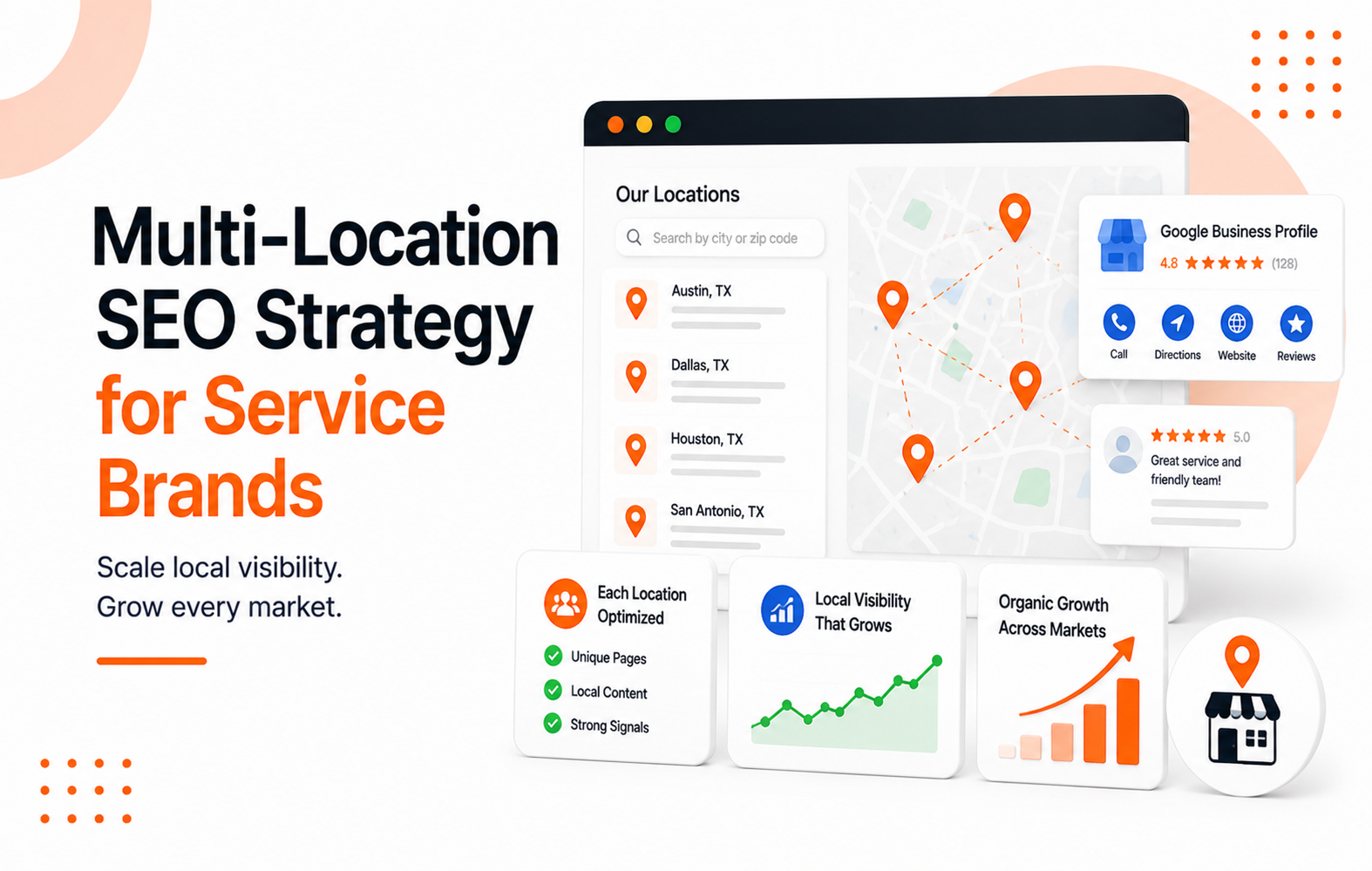
  • Multi-Location SEO Strategy for Service Brands

    Multi-Location SEO Strategy for Service Brands

    Managing fifty locations is a significant achievement in scale. However, without a cohesive approach, those locations can struggle to earn visibility in local search results, and in some cases, end up competing against each other for the same customers.

    That is why a strong multi-location SEO strategy is not simply about publishing more pages. It is about creating a scalable system that search engines can understand, local teams can maintain, and customers can trust.

    When done well, multi-location SEO helps every branch strengthen the brand's overall visibility while capturing demand in its local market. The result is sustainable organic growth that compounds over time instead of resetting every month like paid traffic.

    Key Takeaways

    • Build one clean structure for the entire brand, then optimize for local intent within that framework.
    • Give every physical branch its own dedicated location page and a unique Google Business Profile to capture regional traffic.
    • Use templates for efficiency, but fill them with unique content, local relevance, and genuine proof points.
    • Maintain strict NAP consistency for your name, address, and phone number across your website, social profiles, and third-party directories.
    • Measure success through leads, calls, and booked jobs by market rather than rankings alone.

    Build One System for 50+ Locations

    Once a service brand crosses 50 locations, random local marketing stops working. You need rules, ownership, and one source of truth.

    The mess usually shows up in three places. Site structure becomes sloppy, profiles are half-managed, and different teams publish different phone numbers, hours, and service details.

    Six months later, Google is confused because the lack of brand consistency makes it difficult to trust your data.

    Create a Scalable Site Structure

    Start with a solid website structure. Build a main locations hub using subfolders instead of subdomains to maximize your domain authority.

    From there, create a searchable directory and one page per physical location. Then, add service-plus-location pages only when there is real search demand and real local context.

    Do not crank out every service in every city just because the CMS makes it easy. That is how large brands bloat themselves into thin, repetitive pages.

    For brands with years of old pages, broken redirects, and overlapping locations, scaling local SEO efforts usually starts with cleanup, not expansion.

    Strengthen Internal Linking

    Internal linking matters here too. Location pages should connect to core services, financing or booking pages, and nearby branches where it helps the user.

    By strategically mapping these connections, you improve crawlability across your entire directory. Keeping high-value pages within a few clicks of your homepage helps search engines index your content efficiently while helping users navigate your site without friction.

    Scale the system, localize the proof.

    That is the job.

    Create Location Pages That Earn Trust

    This is where many large rollouts fall apart. The brand uses a generic template, swaps the city name, and calls it done.

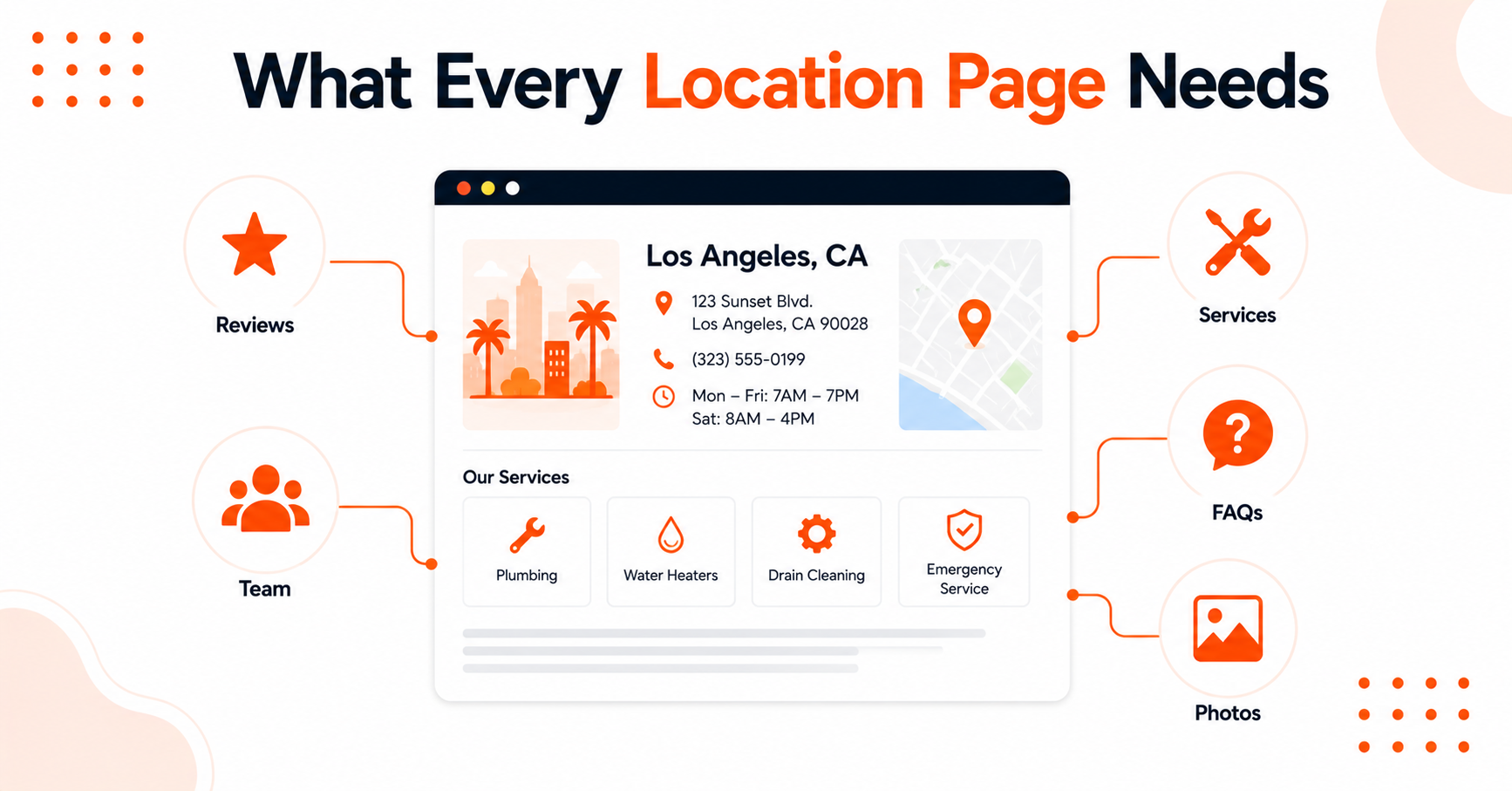
    Structure of a location page that earns customers trust.

    Google has seen that movie before, and it rarely ends well. To avoid search penalties, your location pages must provide unique content that offers genuine value to the user.

    Answer the Questions Customers Actually Have

    A high-performing landing page answers four questions quickly:

    1. What do you do?
    2. Where do you do it?
    3. Why should someone trust this branch?
    4. How does the customer contact the team today?

    If a busy parent or stressed homeowner cannot figure that out in ten seconds on a mobile device, the page needs work.

    Add Local Proof and Unique Content

    Use a repeatable layout, but fill it with local details. Add the branch name, address, phone number, hours, and service-specific copy infused with relevant local keywords to help you rank in your specific market.

    Include original photos, local testimonials, nearby landmarks, service-area notes, and team details when available. If one office handles same-day repairs and another does not, say it plainly.

    Optimize for Modern Search Behavior

    Search behavior has evolved. People still use Google, but they also ask full questions and expect immediate answers.

    Format each page to make information extraction easy, as this can help you capture valuable near me searches. Put common questions in headings and answer them in the first line or two.

    Short, direct answers often have a better chance of appearing in featured snippets, AI Overviews, and other answer-based results.

    Structured data helps too. Implementing LocalBusiness schema, service markup, and visible FAQs gives search engines a clearer understanding of each branch.

    While FAQ markup alone will not save a weak page, it reinforces your authority when the underlying content is strong.

    If you want a second source that lands in the same place, this multi-location SEO guide is a solid reference.

    Turn Profiles and Reviews Into Local Proof

    Your website is only half the story. For many service brands, Google Business Profiles and visibility on Google Maps are the first things potential customers see.

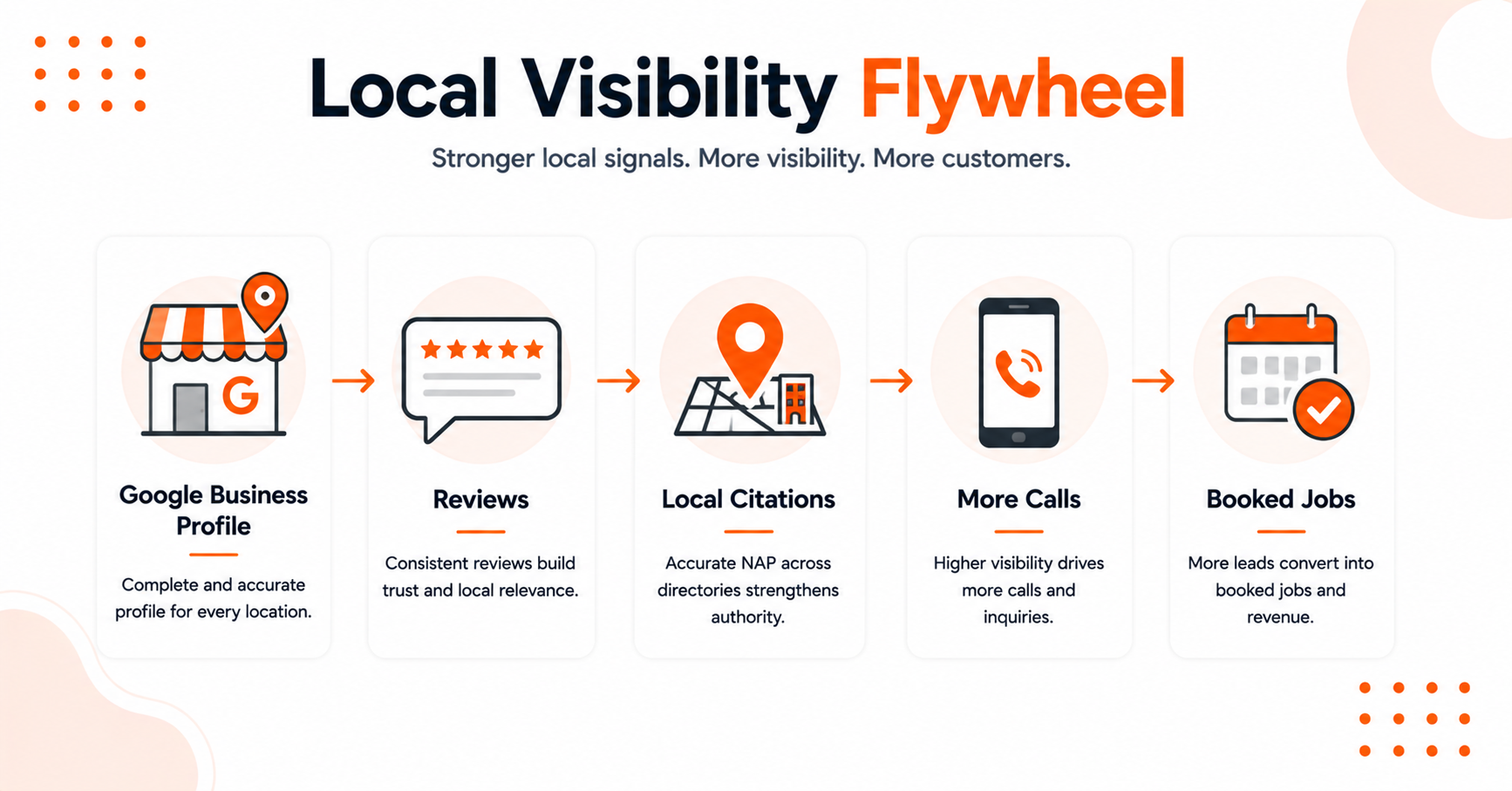
    Workflow of local visibility.

    Maintain Accurate Business Profiles

    Every physical location needs its own verified profile with the correct category, address, hours, services, photos, and call link.

    At 50-plus locations, small errors multiply quickly. One incorrect suite number or outdated phone line can lead to missed calls, duplicate listings, weak trust signals, and frustrated customers.

    Keep your NAP data consistent everywhere. That means the same business name, address, and phone format across your website, profiles, and major directories.

    Search engines do not like guessing, and neither do customers.

    Build a Review Generation Process

    Online reviews need a process, not a panic button. Ask for feedback immediately after the visit or completed job.

    Route the request to the correct branch and reply to every review using natural, human language. Mention the service naturally when it fits.

    A steady stream of recent feedback usually outperforms one large burst followed by months of silence.

    Expand Your Local Authority

    Build local proof around the web through chamber listings, supplier pages, trade associations, sponsorships, and community mentions.

    These local citations help build authority and confirm that a branch is real, active, and trusted. Strategic link building with local suppliers and associations is also an effective way to strengthen your footprint.

    Measure What Actually Matters

    Track what moves the business rather than what flatters the dashboard.

    Monitor:

    • Non-branded traffic by market
    • Calls
    • Form submissions
    • Booked jobs
    • Direction requests
    • Review velocity
    • Page-level conversion rates

    Rankings are nice, but market-level revenue is better.

    FAQs About Multi-Location SEO Strategy

    Below are a few questions related to the blog topic.

    How Many Location Pages Should a Large Service Brand Have?

    A large service brand should have dedicated location pages for each physical storefront or office. Once those pages are established, consider adding service-area or city-specific pages to target local keywords, but only when there is genuine search demand and enough unique local information to provide real value to the user.

    Can We Use Templates Without Creating Duplicate Content?

    Yes, you can use templates without creating duplicate content. Most large brands should rely on templates to maintain consistency across their site while keeping the content distinct.

    To avoid issues with duplicate content, customize every page with specific local proof, unique service details, authentic photos, regional customer reviews, and branch-specific FAQs. This approach helps ensure each of your location pages feels tailored to the community it serves.

    What Should We Measure Besides Rankings?

    Beyond rankings, you should measure incoming calls, booked jobs, direction requests, review growth, non-branded traffic by location, and the conversion rates of your location pages. These metrics provide a clearer picture of how your multi-location SEO strategy is impacting business performance.

    If a specific branch ranks well in search results but fails to generate qualified leads, it indicates that the page is not doing enough to convert local visitors into customers.

    Conclusion

    Managing fifty locations should not feel like juggling fifty separate marketing projects. The brands that win build one clean structure, one repeatable content system, and one reliable local data process, then give each branch the local proof that makes it credible and relevant.

    That is how organic visibility compounds over time. A successful multi-location SEO strategy focuses on building brand consistency, earning trust in every market, and creating sustainable search engine rankings that drive real business growth.

    Refresh helps multi-location businesses improve their online visibility through SEO, web design, and digital marketing strategies built for growth.

    So, if you need help scaling your local search presence across dozens of locations, schedule a call with Refresh.

  • SEO Case Study: How We Grew a Niche Travel Site from 195 to 2,175 Organic Clicks in Five Months

    SEO Case Study: How We Grew a Niche Travel Site from 195 to 2,175 Organic Clicks in Five Months

    When a content site has a strong editorial voice but still is not being found on Google, it is easy to assume the issue is technical SEO. Many teams respond by diving into audits and fixes. In our experience, the real issue is usually more foundational.

    The site often lacks the content layer that connects its expertise to what people are actually searching for. Without that connection, even high quality content struggles to gain visibility.

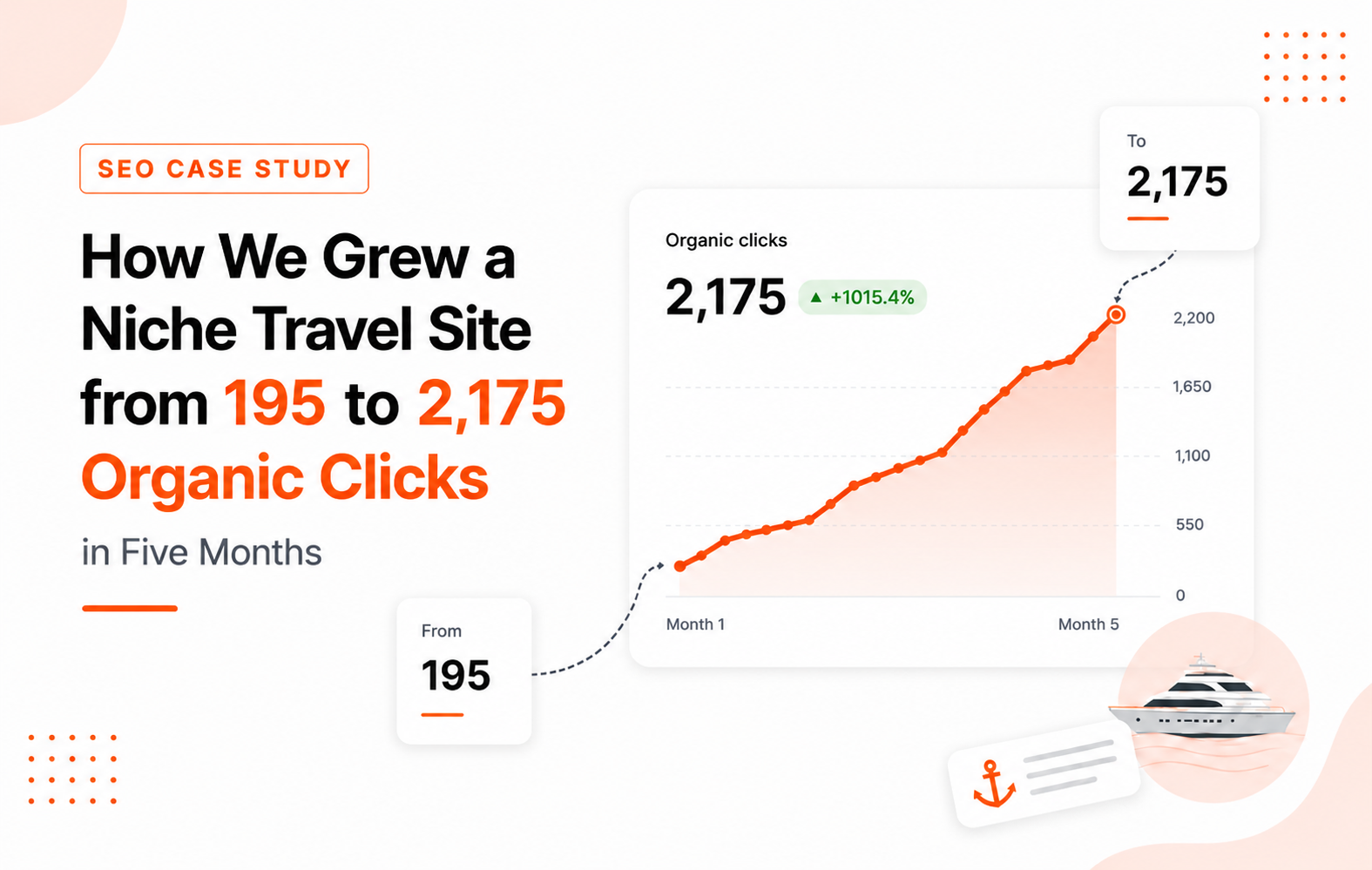
    This is the story of how we built that layer for Port of Call Shopper, a niche cruise port shopping content site. Through five months of focused publishing and content expansion, the site grew from 195 organic clicks to 2,175 clicks between January and May 2026, while significantly improving visibility across a growing portfolio of destination-focused guides.

    When Great Content Doesn't Rank, It's Rarely an SEO Problem

    Port of Call Shopper is the work of Kathy Anderson, a retired travel and retail industry veteran. She turned decades of experience into a blog focused on authentic, handcrafted goods in ports and waterfront destinations around the world.

    Kathy travels constantly through quarterly cruises, land trips, and extended time in the Pacific. Since 2020, she has also spent time living aboard a motor yacht in San Diego with her husband Scott and their dog Cooper, adding depth to her firsthand experience.

    She meets artisans in their studios, visits independent galleries, and documents the craftsmanship that defines each place she visits. Her content is rooted in real conversations and on-the-ground discovery.

    Her audience is just as specific as her niche. It includes affluent cruise travelers, residential ship residents, retirees who travel seasonally, and culturally minded shoppers looking for something authentic instead of mass produced souvenirs.

    They are not looking for generic destination guides. They want insight from someone who has been there, met the artisan, and can guide them to the right neighborhood within a limited window of shore leave.

    That audience exists, and Kathy’s content was already speaking to them. The problem was that almost none of them could find her through Google.

    The Site That Had Everything Except Visibility

    By every editorial measure, Port of Call Shopper was strong. Real expertise, real on-the-ground reporting, and a clear point of view that distinguished the work from the algorithmically-generated travel content that dominates the SERPs in this space.

    By every search measure, the site was effectively invisible. From August through December 2025, the entire site generated:

    • 195 organic clicks from Google — roughly 39 per month
    • 17,700 impressions — meaning the site was being indexed, but rarely surfacing high enough to earn clicks
    • An average position of 19.9 — the bottom of page two of search results
    • A click-through rate of 1.1% — typical of pages that show up but don't rank competitively

    Most of the existing content wasn't bad. It just wasn't structured around how people actually searched for cruise port shopping information. The site was answering questions no one was asking.

    How We Built the Search Layer the Site Was Missing

    Our diagnosis was clear: the site didn't need an SEO overhaul. It needed a focused publishing engine producing destination-specific content built around real, validated search intent.

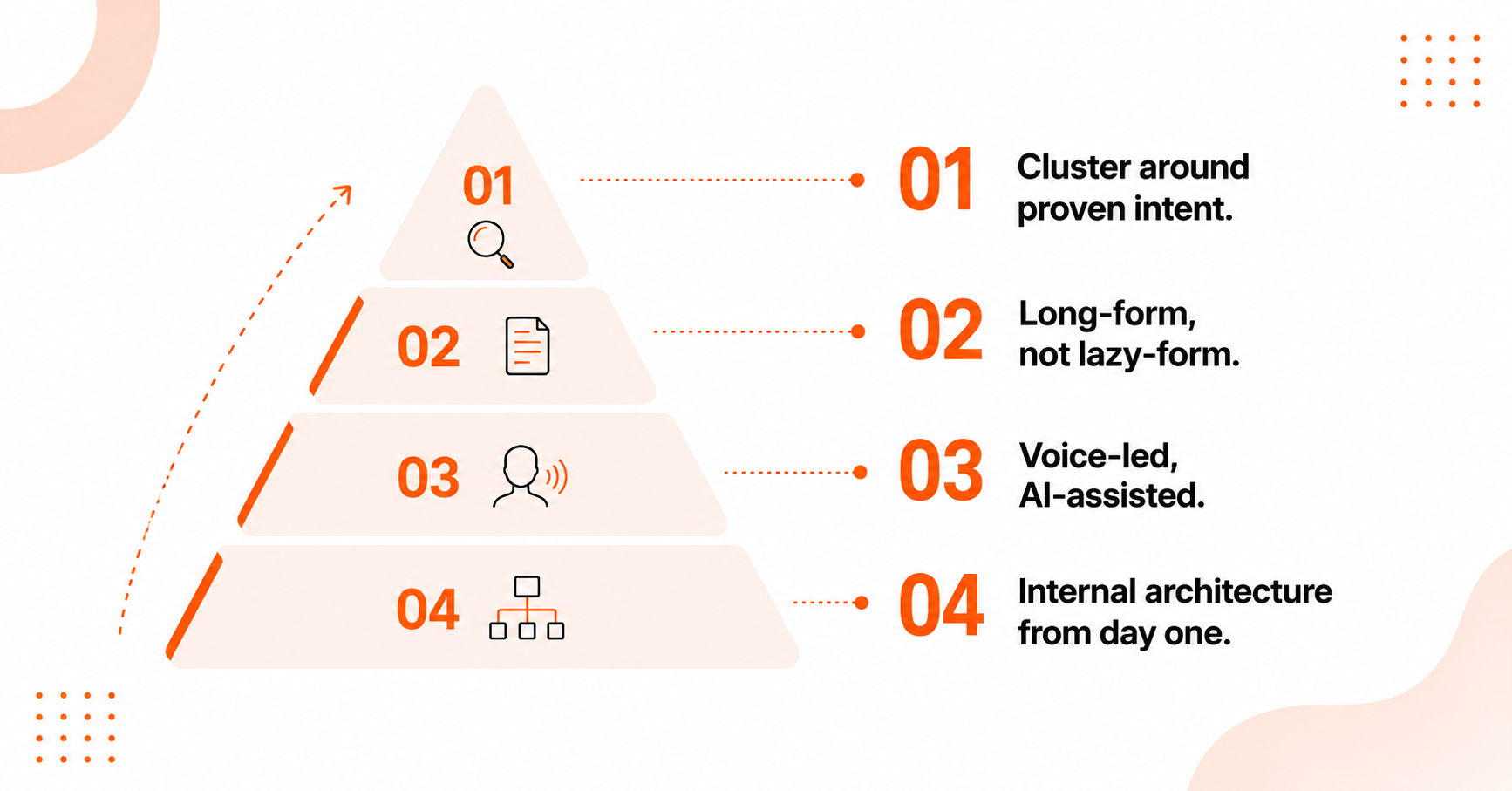
    Content strategy framework focused on search intent, expertise, and site structure.

    We mapped the strategy around four principles.

    1. Cluster around proven intent. Rather than guessing at topics, we used Google Search Console and keyword research to identify destinations with real search demand and weak existing competition. These were places where a high-quality long-form guide could plausibly rank in 60 to 90 days.
    2. Long-form, not lazy-form. Each new piece was a 1,800 to 2,500 word destination guide structured around the way readers actually search: where to shop, what to buy, insider tips, and practical logistics. Comprehensive enough to satisfy intent. Specific enough to outrank thin competitors.
    3. Voice-led, AI-assisted. We used AI tooling to scale production without sacrificing Kathy's editorial voice. Every piece reflected her first-person expertise, her relationships with local artisans, and the point of view that made the brand distinct. Generic AI content would have failed in this niche, and it should.
    4. Internal architecture from day one. Every new post linked to relevant siblings, building topical clusters that compounded ranking authority over time. We treated the publishing schedule as architectural, with each piece earning its place in a coherent library instead of simply adding to a feed.

    What Five Months of Focused Publishing Actually Produced

    Comparing the five months pre-engagement (August–December 2025) against the five months post-engagement (January–May 2026), every meaningful metric moved decisively:


    Performance Metrics Table


    Metric Pre (5 mo) Post (5 mo)
    Total clicks 195 2,175
    Total impressions 17,700 106,055
    Average position 19.9 9.6
    Click-through rate 1.1% 2.1%


    The headline numbers are dramatic enough on their own. Clicks increased more than 11 times, impressions grew 6 times, and click-through rate nearly doubled. The metric we point strategists to first, however, is average position, which moved from 19.9 to 9.6.

    That shift represents a move from the bottom of page two to page-one visibility. It is the point where a page transitions from being indexed but invisible to actually ranking. It also explains why click-through rate increased at the same time, since higher visibility naturally leads to more clicks per impression.

    The Page That Outperformed the Entire Previous Site

    Aggregate metrics are useful for headlines. They're not always useful for understanding what actually happened.

    The clearer story emerges when you look at individual pages. Of the top eight pages driving traffic in the post-engagement period, every single one had zero clicks pre-engagement. Every one of them is content we built from scratch during the engagement.

    How One Destination Guide Pulled 653 Clicks

    The single best performing piece was a destination guide for San José del Cabo cruise port shopping. It went from 0 to 653 clicks and 0 to 16,030 impressions in five months. On its own, that one post outperformed the entire pre engagement site by more than three times.

    The other top performers followed the same pattern. Caribbean handcrafted souvenir guides, Costa Rica cultural shopping content, and Mediterranean port pieces all started from zero and moved into ranking territory within weeks. This is the editorial flywheel working as intended.

    A single well targeted piece built around real demand can outperform dozens of unfocused posts. When content is structured for both readers and search engines, results compound quickly.

    Ranking Across a Wide Query Footprint

    One question we always anticipate when results look this dramatic: did you just get lucky with one keyword?

    No. The query data shows the opposite. Traffic is coming from a wide footprint of related searches, which is what real topical authority looks like.

    Top search queries generating organic traffic across multiple travel destinations.

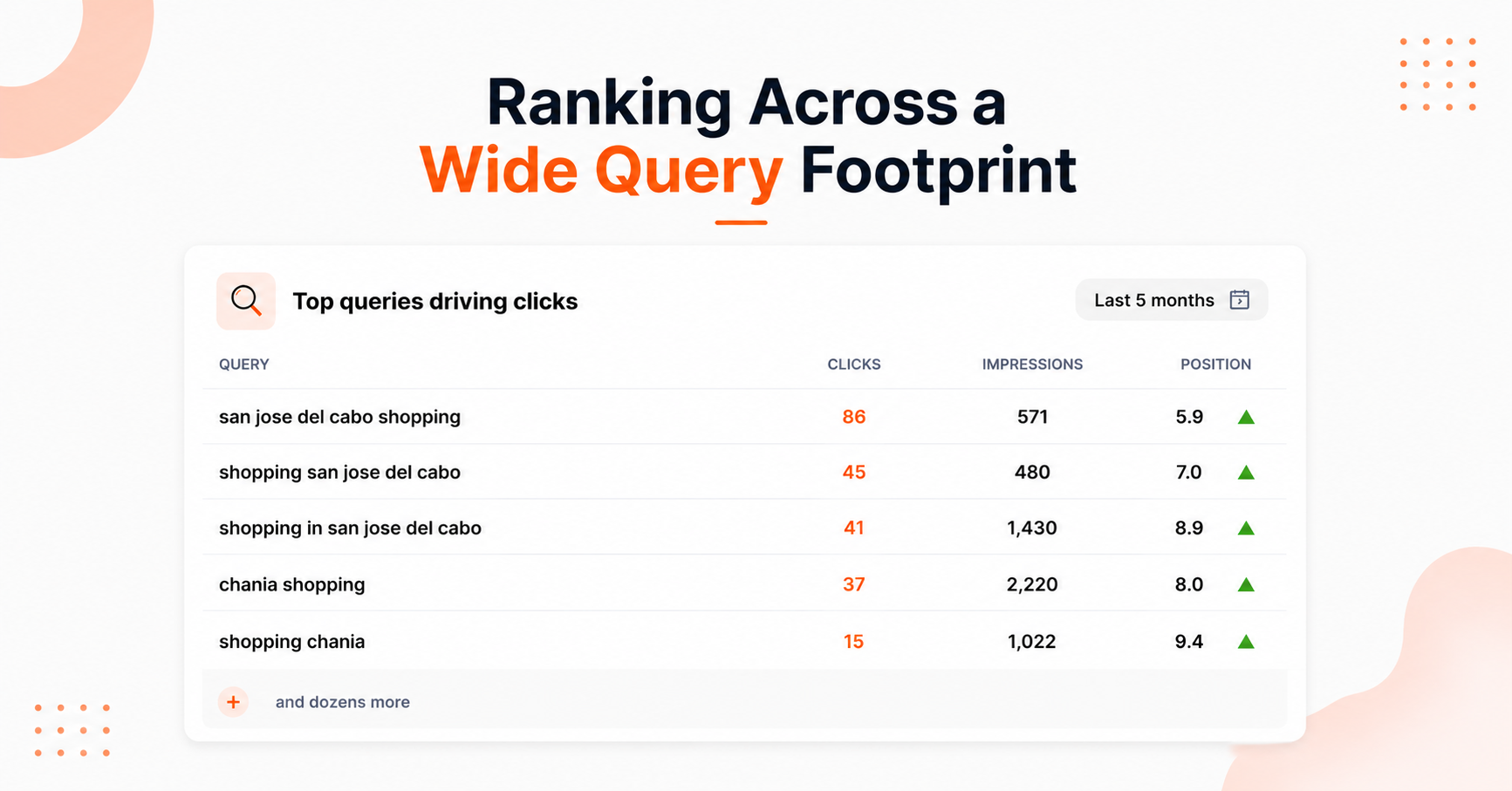
    The site is now ranking and earning clicks across a tight cluster of cruise port shopping queries, including:

    • san jose del cabo shopping
    • shopping in san jose del cabo
    • best shopping in san jose del cabo
    • chania shopping
    • shopping in chania crete
    • and dozens more

    Most of these queries had zero clicks before. Several had zero impressions.

    That breadth is the point. A site that ranks for one query is exposed to risk. A site that ranks across dozens of related queries builds stability, authority, and real leverage.

    This is the kind of footprint that destination management organizations, tourism boards, and travel partners look for when evaluating editorial partners. It opens the door to guest posts, backlinks, and long term collaborations.

    The Mechanics That Actually Produced the Result

    We are skeptical of case studies that imply a magic methodology. The mechanics here are not exotic. They are a small set of disciplines executed consistently.

    • We started from real demand, not opinions. Every piece was built to target queries with verified search volume and reachable competition. We did not publish anything because it felt important. We published because the data showed it could rank.
    • We respected the publisher’s voice. AI tooling allowed us to scale production. Kathy’s editorial voice, first person, experiential, and grounded in her relationships with local artisans and global craftspeople, kept the work from sounding generic.
    • We built an architecture, not a feed. Each new post connected to others through deliberate internal linking. This strengthened topical authority and helped the site behave like a library instead of a blog roll.
    • We let the data lead the cadence. Early posts revealed which clusters had the strongest demand. We doubled down on those instead of spreading the publishing schedule thin.

    Why the Curve Is Still Climbing

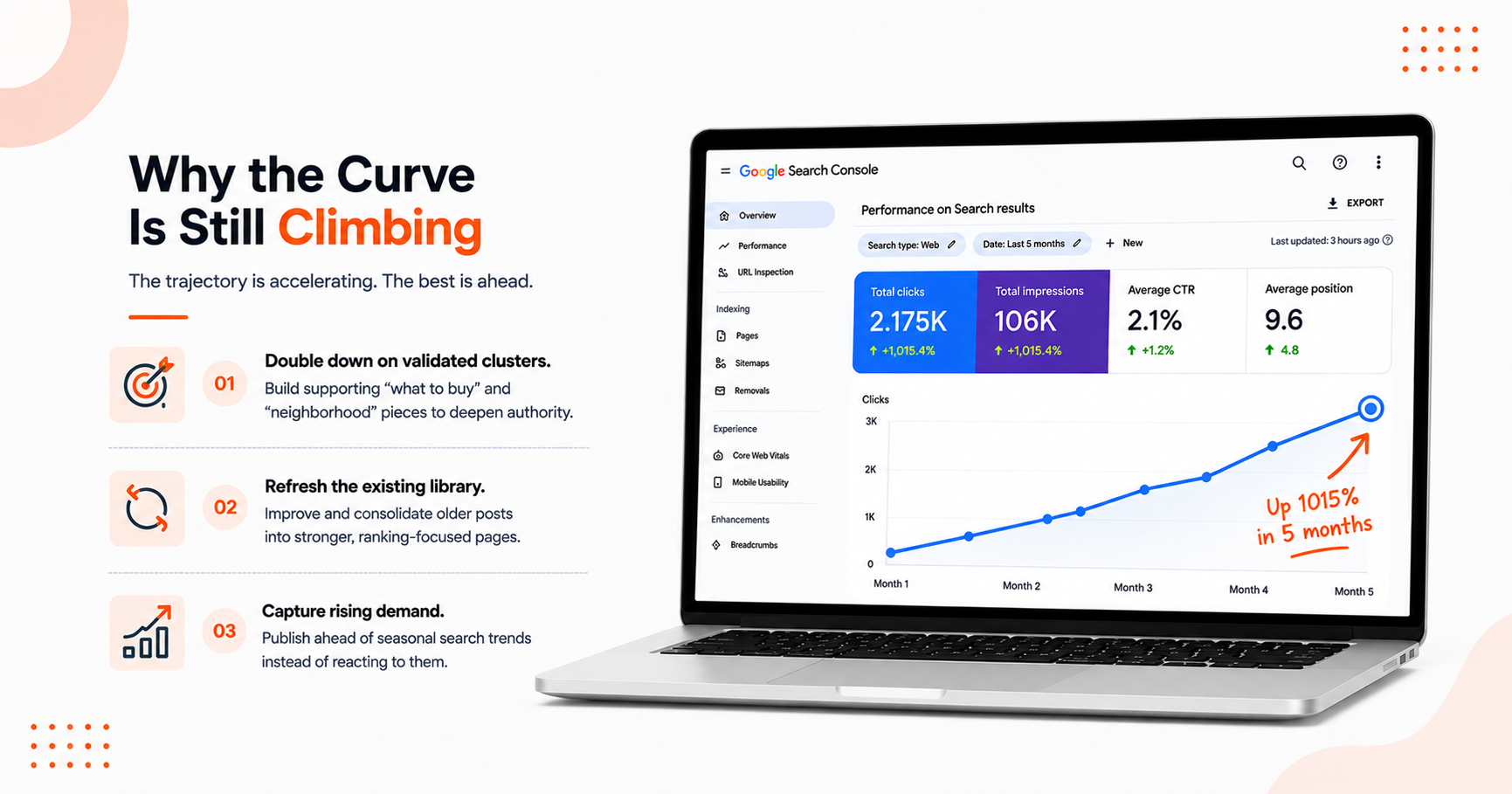
    Five months in, the trajectory is still accelerating. The post engagement curve has not plateaued. It continues to climb, which is what we expect from a content engine that is still building a compounding library.

    SEO growth plan highlighting content expansion, updates, and rising search demand.

    The next 90 days will focus on three priorities:

    • Doubling down on validated clusters. Destinations where the first guide ranked well will get supporting “what to buy” and “neighborhood” pieces. This deepens topical authority and makes the site a more attractive editorial partner for DMOs and tourism boards.
    • Refreshing the existing library. Older posts from before the engagement will be evaluated and improved. Some will be updated to current SEO standards, while others will be consolidated into stronger, ranking focused pages.
    • Capturing rising demand. Several queries already show increasing search volume as cruise destinations enter peak booking season. We will publish ahead of those trends instead of reacting to them.

    Organic search builds the audience, but the newsletter supports that growth over time. It gives readers a way to stay connected to new destination guides as the site continues to expand.

    For readers who want to follow along more closely, the Port of Call Shopper Crew offers a simple way to stay in the loop between trips. It keeps the relationship active as new content is published and new destinations are added.

    The goal of an organic content engine is compounding growth. Paid traffic stops the moment spending stops. Editorial assets like these continue working and earning long after they are published.

    Want This Kind of Curve for Your Site?

    If you are building a content brand and your rankings have not yet caught up to your editorial quality, it is usually not a content problem. It is a distribution and structure problem.

    At Refresh, we help publishers and brands turn strong editorial work into organic growth. That includes SEO, answer engine optimization, and content systems built to scale what works.

    Beyond blog content like Kathy’s, we also extend the strategy into video. This creates a second discovery layer where the same expertise can reach new audiences and reinforce existing rankings. Schedule a call now!
  • Ecommerce Internal Linking: How to Scale SEO for Large Catalogs

    Ecommerce Internal Linking: How to Scale SEO for Large Catalogs

    Big catalogs rarely lose organic traffic because they lack pages. They lose because link equity gets trapped in the wrong places, preventing your most important content from performing.

    On a store with thousands of SKUs, ecommerce internal linking acts as vital traffic control. Good structure pushes search engines and shoppers toward your money pages, while poor architecture sends both into a confusing maze. This strategy is essential for achieving your broader ecommerce seo goals.

    The fix isn't about adding more links everywhere. It is about placing better links in the right spots to improve your internal linking.

    Key Takeaways

    • Large catalogs require a strategic internal linking approach that distributes authority effectively across category pages, subcategories, and high-value product pages.
    • Your navigation, breadcrumbs, related products, and editorial links should work together to support a cohesive site structure rather than competing for internal equity.
    • Manage faceted navigation carefully, as linking to every possible combination can create crawl waste and dilute your SEO efforts.
    • Measure the impact of your internal linking strategy through revenue page performance, crawl depth, and non-branded clicks rather than link counts alone.

    Why Large Catalogs Break Internal Linking

    A small store can get away with messy linking for a while, but a big one cannot.

    As product counts grow, pages get buried. Some end up four or five clicks deep, making it difficult for Googlebot to crawl and index your most important assets.

    Other pages receive no meaningful links at all. When your website architecture is poorly planned, search engines waste time on filter URLs, sort pages, and duplicate paths while your high-value collection pages compete for attention.

    If a category page drives revenue, it should not be buried behind five clicks and a complex filter maze.

    Improving your internal linking is a fundamental pillar of search engine optimization. These links tell search engines which pages matter, how they relate to one another, and how link equity should flow throughout your site.

    By strategically placing these connections, you help authoritative pages pass value to related products and collections. A logical structure also helps shoppers move from broad intent to purchase without hitting dead ends, improving the overall user experience.

    Paid ads rent attention, but strong internal linking keeps earning organic traffic long after the campaign ends.

    Build Links Around Revenue Pages First

    Most teams start by focusing on product pages because there are so many of them. That is the wrong approach.

    Illustration of sending authority to revenue pages.

    Strategic internal linking starts by prioritizing the pages that drive your bottom line.

    Start With Category and Subcategory Pages

    Category pages usually carry the best mix of search demand and buying intent, making them some of the most valuable pages on your site. They should receive the strongest internal support.

    Link to category pages from:

    • Main navigation menus
    • Seasonal landing pages
    • Buying guides
    • Content hubs
    • Brand hubs
    • Relevant blog articles

    Use descriptive anchor text that reflects how customers actually search rather than vague labels such as "view all" or "shop now."

    If a collection page is already ranking on page two of search results, stronger internal links can often move the needle faster than creating new content.

    Support Products Without Creating Chaos

    While category pages are the foundation, product pages still matter. They simply require a more selective approach.

    Support product pages through breadcrumbs, comparison pages, and useful related-product modules. Rather than spraying links everywhere, use cross-sell blocks that genuinely help customers make informed decisions.

    A simple rule works well:

    • Link up to the parent category.
    • Link sideways to related products, alternatives, or accessories.
    • Link in from content hubs and buying guides that already hold authority.

    By optimizing these paths, you create a smoother experience for both users and search engines.

    Create a Site Hierarchy People Can Explain in Two Minutes

    If a new team member cannot explain your site structure quickly, it is probably too messy.

    Keep the path simple: homepage, primary category, subcategory, and product page. This does not mean every store needs only four levels, but your website architecture should remain logical and consistent while avoiding deep, confusing detours.

    A clear navigation menu helps both users and crawlers move through your catalog more efficiently.

    A strong hierarchy is also the foundation of a successful internal link strategy. It helps search engines understand relationships across categories, brands, guides, and FAQs, which improves indexing efficiency.

    As search becomes more answer-driven, clarity matters even more. A well-organized homepage and intuitive navigation structure make your site easier to crawl and understand.

    Control Link Noise From Filters, Facets, and Pagination

    This is where large catalogs go sideways fast.

    Every size, color, sort order, and price filter creates additional URL paths. When faceted navigation is fully crawlable and heavily linked, search engines spend time on low-value pages while your most important pages receive less attention.

    This creates crawlability and indexing issues because bots prioritize unnecessary paths over core categories and collections.

    Illustration of reducing crawl waste.

    Keep Low-Value URLs Under Control

    Use canonical tags where duplicate versions must exist. Apply noindex directives to utility pages that help users but provide little or no SEO value.

    Only allow filtered pages to be indexed when they match real search demand and represent stable inventory.

    In some cases, an HTML sitemap can provide a cleaner path for crawlers to discover important pages without getting lost in unnecessary parameters.

    The same principle applies throughout your site architecture. Keep the pages you want indexed front and center rather than linking every possible filter combination into your primary crawl path.

    If you are auditing this at scale, this large-site internal linking guide aligns with best practices for maintaining a clean and effective internal linking strategy.

    Measure Internal Links Like a Growth Channel

    Do not treat internal linking like housekeeping. Treat it like a growth asset within your ecommerce SEO strategy.

    Use Google Search Console to identify pages already earning impressions and uncover opportunities for improvement.

    Look for:

    • Categories stuck in positions 6–20 with ranking potential
    • Products with strong conversion rates but weak visibility
    • Orphan pages that should be connected to the broader site structure

    By directing internal link equity toward these opportunities, you can often improve search engine optimization performance before investing in additional content.

    A simple monthly process works well:

    1. Crawl the site.
    2. Fix broken paths.
    3. Review top-performing categories.
    4. Remove low-value link clutter.

    Maintaining healthy PageRank flow helps ensure your most important products and categories receive the attention they deserve.

    These ecommerce internal linking best practices serve as a useful secondary checklist if you want to refine your site architecture and maximize the performance of your ecommerce SEO efforts.

    FAQs About Ecommerce Internal Linking

    Here are additional questions that may help you.

    How Many Internal Links Should a Category Page Have?

    A category page should have enough internal links to help users and search engines move through your site logically. There is no magic number.

    What matters is whether the links support the next best action rather than creating clutter through poor anchor text selection. By using descriptive anchor text, you help both users and crawlers understand the context of your category pages, which enhances the overall user experience.

    Should Every Product Page Link to Related Products?

    No, not every product page needs to link to related products. Instead, prioritize linking to the most relevant related products, accessories, or bundles that provide genuine value.

    Overloading pages with too many links can dilute authority and create unnecessary distractions. Breadcrumb navigation can also provide a clear path for shoppers to explore your site hierarchy while helping search engines discover important product pages.

    How Long Does It Take for Internal Link Changes to Help?

    Internal link changes can start showing results within a few weeks, especially on pages that are already ranking. Larger improvements typically occur after search engines recrawl the site and your strongest pages begin collecting more authority over time.

    As link equity flows more effectively through your site, key pages often gain better visibility and stronger search performance.

    Let's Build a Stronger Ecommerce Site Structure

    Large catalogs do not need more pages or more complexity. They need a clear internal linking strategy that helps authority flow to the pages that drive traffic, conversions, and revenue.

    When your site structure is built to support both users and search engines, your most important categories and products have a better chance of earning visibility. Refresh helps ecommerce brands improve their online performance through SEO, website strategy, and growth-focused digital marketing.

    If your catalog has outgrown its current structure, book a call with us to discuss a more effective ecommerce SEO strategy.

  • SEO Migration Checklist: Protect Rankings and Traffic

    SEO Migration Checklist: Protect Rankings and Traffic

    A rebrand can sharpen your story. A website redesign can improve conversions. A domain migration can clean up years of technical debt.

    But if the migration is handled poorly, organic traffic can disappear almost overnight.

    That is the part many businesses overlook. Search engine visibility is an asset built over time through content, backlinks, rankings, and user trust. If you want your new website to look better and perform better, you need a clear SEO migration checklist that protects your organic traffic during every stage of the transition.

    Key Takeaways

    • A website redesign is not just a design project. It is also a traffic preservation project.
    • Benchmark your top-performing pages, rankings, leads, and backlinks before launch.
    • Build and test 301 redirects early instead of waiting until launch day.
    • Protect technical SEO elements such as crawlability, canonicals, schema markup, internal links, and the XML sitemap.
    • Monitor the first 30 days closely because small migration errors can create significant traffic losses.
    • Rebrands require off-site updates, including business listings, citations, and brand mentions, to maintain search engine visibility.

    What to Lock Down Before the Website Redesign Starts

    Most migration losses happen before development starts, not at launch. They happen much earlier.

    The first job is simple. Figure out what is working right now, then protect it.

    Illustration of what to protect what already works before starting a website redesign.

    Start by pulling a full inventory of live URLs, top landing pages, organic conversions, backlinks, indexable pages, metadata, and any structured data already helping you show up in search or answer-driven results. You should use a tool like Screaming Frog to crawl your site to ensure you have a complete list of URLs, and be sure to audit your current site for any hidden noindex tags that might affect your crawl budget or indexing.

    Start with the assets that matter most. For ecommerce brands, that is often category pages and high-margin product collections.

    For local businesses, it is service pages, city pages, and your location data. For SaaS teams, it might be feature pages, docs, integrations, and comparison pages.

    Different site, same rule. Protect the pages already pulling weight.

    Before you finalize your strategy, perform thorough URL mapping to understand which pages need to be preserved to maintain your current search engine visibility.

    This is the baseline worth capturing before anything changes:

    What to Benchmark Why It Matters
    Top organic landing pages These pages often drive the bulk of leads and revenue.
    Non-branded clicks and impressions Helps separate true organic traffic from brand demand.
    Conversions by landing page Rankings are nice, leads are better.
    Backlinks to important URLs High-authority links should not land on dead pages.
    Indexed page count Big changes here can reveal crawl or noindex issues.

    Once you have the snapshot, set migration goals that go beyond simply keeping traffic flat. You want the new site to preserve rankings, keep conversion paths intact, improve page speed, and make core pages easier to crawl.

    Use Google Analytics 4 and Google Search Console to pull your historical performance data, as these sources provide the most reliable benchmarks for your current SEO health. If you want a second opinion on planning steps, this website migration checklist for enterprise teams is a useful cross-check.

    One more thing. Assign a real owner.

    If nobody owns the migration across SEO, dev, analytics, and content, small mistakes stack up fast.

    Build a 301 Redirects Map Before a Single URL Changes

    If old URLs disappear without a plan, Google and users both hit a wall. That is how you turn a healthy site into a ghost town.

    Your URL mapping serves as the foundation for your redirect map, ensuring you avoid frustrating 404 error pages. Every meaningful old URL should match the best new destination.

    Do not just send everything to the homepage or a broad parent page because it is close enough. The closest relevant page wins.

    A strong one-to-one strategy using 301 redirects preserves context, user intent, and valuable link equity.

    If your redirect plan lives in a spreadsheet nobody validates, you do not have a redirect plan. You have hope.

    This is where teams get boxed in by design decisions. Navigation changes, slugs change, and entire content hubs get merged.

    That can be fine, but only if the redirect logic keeps the original value alive. Keep high-performing pages live when you can.

    When you cannot, use 301 redirects to point them to a page that answers the same need and keeps the next step obvious for the user.

    Also, update your internal links and canonical tags before launch. Redirects help, but they are not a substitute for clean site architecture.

    Your site architecture should include:

    • Updated menu links
    • Correct breadcrumb links
    • Refreshed contextual internal links
    • Canonical tags pointing to final URLs
    • An updated XML sitemap

    This keeps crawl paths cleaner and removes unnecessary hops, which is vital for maintaining a healthy site architecture.

    Backlinks matter here too. Pull the URLs with the strongest backlink profile and treat them like VIPs.

    If a page has quality links and steady conversions, it should not vanish in a redesign just because someone wanted a shorter menu.

    If you want another migration checklist to compare against your redirect process, this content migration guide covers many of the same pressure points.

    Protect the Technical Signals That Carry Rankings

    A beautiful site can still be a broken site. Search engines do not care how polished the mockups looked in Figma; they care about the integrity of your technical SEO audit.

    The technical foundation must survive the move. That means ensuring your pages are crawlable, status codes are correct, and your Core Web Vitals remain strong.

    You must prioritize mobile-friendliness, stable internal linking, and fast-loading core pages. Always verify your robots.txt file to ensure that staging site rules do not accidentally block the entire site from being indexed, which happens more often than teams want to admit when configurations leak into production.

    Metadata needs the same level of attention. Carefully migrate your title tags, meta descriptions, headings, alt text, and structured data to the new environment.

    If your website redesign strips out FAQ sections, product schema, review markup, author details, or local business data, you can lose more than just your search engine rankings. You can lose visibility in rich results, AI Overviews, and answer-style search experiences.

    This matters now because search is no longer a one-dimensional surface. People still use Google, but they also rely on AI-generated answers before they click.

    If your website redesign makes your pages thinner, vaguer, or less structured, you are easier to ignore earlier in the user journey.

    Pay Extra Attention to These Common Trouble Spots

    • JavaScript-heavy pages that do not render key content effectively
    • Faceted navigation that creates duplicate URLs
    • New templates that weaken your internal links
    • CMS rules that inadvertently add noindex tags or alter your canonical tags
    • Page-speed regressions caused by oversized scripts and media

    This is long-game work, and that is the point. Organic visibility compounds when the foundation is strong.

    Paid ads can patch over a bad launch for a week, but they cannot replace the search equity you have already built.

    Launch Week and the First 30 Days After

    Launch day is not the finish line. It is the official start of post-migration monitoring, serving as the critical handoff from planning to inspection.

    As soon as the new site goes live, perform a full crawl to identify any technical issues. You must validate your redirects, review canonical tags, and check for new crawl errors or unexpected 404 error pages.

    Use Google Search Console to submit your new XML sitemap and verify that your Google Analytics 4 tracking, including conversion and event tags, is firing correctly. Monitor your indexation trends daily for the first few weeks to ensure search engines are processing the new structure as expected.

    Keep a close eye on your most important pages. Did your top category pages keep their positions? Did your service pages retain their local visibility?

    Illustration of website monitoring after the SEO migration.

    If you notice that keyword rankings for a key page drop from position three to twelve, investigate immediately. While minor fluctuations are normal, a cluster of drops often points to a specific migration issue.

    Compare your live site performance against your staging site data to ensure no elements were lost during the move. If a page is stuck, analyze its heading structure, internal links, load times, and schema to find quick wins.

    Rebrands add another layer of complexity. You need to update business listings, social profiles, directory citations, email templates, and external brand mentions.

    Local businesses should prioritize updating:

    • Google Business Profile
    • Apple Maps
    • Bing Places
    • Yelp
    • Major industry directories

    The new name, URL, phone number, and address should all match. Any mixed signals here can slow your recovery.

    Expect some volatility in the first few weeks. That part is normal.

    What is not normal is letting obvious errors sit. If rankings tank, revisit your post-migration monitoring strategy and use Google Search Console to diagnose the issue.

    For higher-stakes migrations, bring your SEO team into the room before launch, not after a drop occurs, because cleanup mode is always more expensive than prevention.

    FAQs About SEO Migration

    Here are additional questions you might ask.

    How Early Should SEO Migration Planning Start?

    SEO migration planning should start as soon as site structure, templates, or URLs are on the table. Four to eight weeks is common for smaller sites, while larger sites often need much longer, especially if content, domain, CMS, and brand changes are happening at the same time.

    Remember that effective post-migration monitoring should extend for at least 30 days after your launch to ensure everything remains stable.

    Should You Change the Domain and Redesign the Site at the Same Time?

    Yes, you can change the domain and redesign the site at the same time, but the risk goes up. When possible, reduce moving parts.

    If you need to change both, be stricter about benchmarks, redirects, QA, and post-launch monitoring.

    Do 301 Redirects Preserve All Rankings?

    No, 301 redirects do not preserve all rankings. While 301 redirects are essential for passing link equity from old URLs to new ones, they are not magic.

    Using 301 redirects correctly helps transfer authority, but if the new page is weaker, slower, or less aligned with user intent, your positions can still drop.

    What Pages Should Never Be Removed Without Review?

    Any page with organic traffic, conversions, strong backlinks, or clear search intent should never be removed without review. Use Google Search Console to identify which pages are currently driving traffic so you do not accidentally remove them.

    This includes old blog posts, location pages, docs, category pages, and resource pages that might look boring in a content audit but still pull in qualified visitors.

    Can a Redesign Hurt Visibility in AI Search Results Too?

    Yes, a redesign can hurt visibility in AI search results if it removes structured content, weakens clear answers, or strips out useful schema. These changes can reduce how often your brand appears in AI-generated summaries and search answer features.

    The same clean structure that helps classic search engine rankings often helps answer-driven visibility too.

    Make Your Next Website Migration a Success

    A domain migration is not a branding exercise with an SEO task list added at the end. It is a high-stakes transfer of authority, trust, and discoverability that can impact your rankings, traffic, and revenue.

    The best migrations protect what is already working while creating opportunities for future growth. By following a comprehensive SEO migration checklist, you can preserve search engine visibility, maintain valuable rankings, and avoid costly mistakes after launch.

    For businesses navigating a website redesign, rebrand, or domain migration, working with an experienced partner can make the process far less risky. Refresh is a digital marketing agency that helps companies improve their online presence through SEO, website strategy, and performance-focused web design.

    If your migration involves important revenue-driving pages, schedule a call with Refresh before launch to help ensure a smooth transition and protect the organic traffic you have worked hard to earn.

  • SEO Strategy Professional Services That Brings Better Leads

    SEO Strategy Professional Services That Brings Better Leads

    Comprehensive search engine optimization is the foundation of modern digital marketing for firms, yet it remains expensive to fake. Getting better leads is the part that truly matters for your growth.

    A lot of professional services firms invest in search, then wonder why the right prospects still aren't showing up. The problem usually isn't effort. It's focus. If your SEO attracts researchers, students, and bargain hunters, you're building noise, not pipeline.

    The fix is simpler than most firms think. You need pages and content built for high-intent leads, trust, and action.

    Key Takeaways

    • A successful SEO strategy begins with a focus on high-quality lead generation rather than chasing vanity metrics or higher traffic volume.
    • Your top services should feature robust core pages backed by helpful content that addresses the specific questions your buyers are asking.
    • Creating content around bottom-funnel topics like costs, processes, timelines, fit, and comparisons helps attract better prospects and significantly improves the conversion rate of your website.
    • Trust signals carry more weight in professional services than almost anywhere else online.
    • Modern search experiences now include AI-generated answers, local listings, and customer reviews in addition to traditional search engine rankings.

    Why Most Firms Get Traffic but Not Leads

    Most firms do not have a search visibility problem. They have a matching problem. Their pages do not match what a ready-to-hire buyer is searching for when they need professional services.

    SEO strategy comparing traffic focused content with high intent search that generates qualified leads.

    They talk about how someone hires a law firm, accounting firm, consulting firms, or other B2B advisory teams. They do not stay in research mode for long. They search by:

    • Service
    • Industry
    • Location
    • Cost
    • Timeline
    • Risk
    • Fit

    They want clarity fast, and they want a reason to trust you.

    That is why a strong SEO strategy for professional services firms does not start with blog volume. It starts with the services that drive revenue and the questions buyers ask right before they reach out.

    Broad traffic can still help, but it is secondary. Your organic search performance is about much more than just raw traffic numbers.

    A post with 5,000 visits and zero serious inquiries is a vanity project. A page with 80 visits and three qualified consultations is doing its job.

    Search is also changing. Buyers now see review sites, Google Business Profiles, AI summaries, and direct answers before they ever click through.

    If your content is vague, or if poor user experience and slow page speeds discourage visitors, you lose that visibility before the visit even happens.

    For a wider look at how SEO fits into a real growth mix, Hinge's guide to online lead generation techniques for professional services firms is a useful benchmark.

    What a Better SEO Strategy Looks Like

    What does the right setup look like? Three things:

    1. Tight service clusters
    2. Trust on every page
    3. Content that search engines and AI systems can understand quickly

    A simple way to think about it: wider search visibility should narrow into qualified leads.

    Professional services SEO framework connecting service clusters, trust signals, and AI visibility to qualified leads.

    Start With High-Intent Service Clusters

    The process begins with thorough keyword research to identify what your ideal clients are actually typing into search engines.

    Once you have your data, focus your on-page SEO by picking your top three services and building one strong page for each. Support these pages with content covering:

    • Cost
    • Process
    • Timeline
    • Common objections
    • Comparisons
    • FAQs

    If the search demand is there, build pages around service plus industry and service plus location. That matters for firms with niche expertise or regional reach.

    "Business valuation for dental practices" is stronger than "business valuation services." So is "estate planning attorney in Denver" if local intent is clear.

    This is where a lot of firms get boxed in. They publish general thought leadership and skip the commercial pages that turn interest into inquiry.

    You need both, but the money pages come first.

    Build Trust Into Every Page

    Professional services are trust purchases. People are not buying a product off a shelf; they are hiring judgment. You must demonstrate professional authority by featuring:

    • Partner bios
    • Credentials
    • Detailed case studies that prove your effectiveness

    Your pages need to cultivate trust, fast. Showcase testimonials, reviews, and examples of outcomes to help prospects understand:

    • Who you help
    • What the engagement looks like
    • How long it usually takes
    • Who is or is not a fit

    If a page ranks but does not build confidence, it will not bring better leads. Short FAQ sections help here too. They answer objections, tighten the page, and make your expertise easier for search engines and AI tools to interpret.

    That is a big deal in 2026, when more discovery happens inside answer engines and AI overviews.

    Write so Search and AI Can Quote You

    Clear headings, direct answers, and strong internal page structure are the foundation of your approach.

    Beyond content quality, you need a solid foundation of technical SEO, including correct schema implementation and reliable mobile responsiveness, to ensure your site performs well across all devices.

    You do not need fluffy content. You need useful, answer-first material written in plain English.

    That includes pages on:

    • Pricing
    • Process
    • Timelines
    • Risks
    • Alternatives
    • Who this is best for

    These topics often convert better than broad educational posts because they catch buyers closer to a decision.

    It also helps to build authority outside your site. Strategic link building is essential, as acquiring quality backlinks from reputable industry sources validates your site in the eyes of search algorithms.

    These off-site signals improve your overall search visibility. Rebus has a practical overview of lead generation for professional services firms that supports that broader view of combining high-quality content with.

    Measure Lead Quality, Not Pageviews

    Once the content is live, do not grade success by traffic alone. That is how firms keep funding SEO that looks busy but fails to generate results.

    To truly understand your performance, you must use data analytics to connect search behavior to actual business outcomes.

    SEO performance metrics focused on qualified consultations, proposal requests, and close rates.

    These metrics tell a better story:

    MetricWhy It MattersQualified consultationsShows intent and client fitProposal requestsConnects search directly to your pipelineClose rate by landing pageReveals which topics attract serious buyers

    Review these metrics monthly to evaluate the ROI of your marketing efforts. Cut topics that attract the wrong audience, and expand the pages that drive high-quality conversations.

    If you serve a local market, keep your Google My Business profile, client reviews, and location pages current to build local authority.

    Beyond search, leverage your LinkedIn presence to bolster professional credibility and nurture network-based leads that align with your organic search strategy.

    The broader objective is clear: paid traffic is rented, but organic visibility is a long-term asset. A well-optimized page can keep bringing in the right leads long after it goes live.

    FAQs

    Below are additional questions that might help you.

    How Long Does SEO Take for a Professional Services Firm?

    How Long Does SEO Take for a Professional Services Firm?

    Most firms start seeing meaningful movement in a few months, but better-fit lead flow usually takes longer. The timeline depends on competition, site quality, authority, and how fast you publish the right pages.

    Should We Focus on Blog Content or Service Pages First?

    Service pages should come first, almost every time. Blog content helps, but it should not come before the pages that explain what you do, who you help, and why someone should contact you.

    Do AI Overviews Change SEO for Professional Services?

    Yes, AI overviews change SEO for professional services by making content clarity and structure even more important. Your content needs to be clearer, more structured, and easier to quote.

    To rank well, you must demonstrate genuine expertise and establish authority within your niche. Direct answers, strong FAQs, proof, and clean page architecture matter more now.

    What Content Usually Brings the Best Leads?

    Bottom-funnel topics usually bring the best leads. Think cost, timeline, process, comparisons, common mistakes, risks, and fit.

    Creating these pages is a fundamental part of an effective search engine optimization plan for B2B firms. These topics attract people who are closer to hiring, not just browsing for information.

    It's Time for You to Have a Strong SEO Strategy

    Better leads do not come from simply publishing more content. They come from tighter search intent, stronger social proof, and pages specifically designed to convert visitors.

    A truly winning content strategy balances local SEO efforts with a broader national reach to ensure you are connecting with the right clients at the right time.

    If your firm wants organic visibility that compounds over time, you must focus on building a sustainable SEO strategy that acts as a long-term asset rather than chasing temporary spikes in traffic. By prioritizing high-value growth for professional services, you ensure that your digital presence works as hard as your team does.

    If you want help refining your approach across SEO, AI visibility, and video, schedule a call now!

  • Programmatic SEO for Ecommerce Without Thin Content

    Programmatic SEO for Ecommerce Without Thin Content

    Most e-commerce stores do not fail with programmatic seo ecommerce because they scale too fast. They fail because they publish pages that say almost nothing.

    That is the real issue. If 5,000 pages read like the same page with one word swapped, search engines do not trust them, the user experience suffers, and shoppers move on to other e-commerce stores.

    The fix is not to publish less. It is to build pages that earn their place by providing genuine value that search engines can recognize and reward.

    Key Takeaways

    • Programmatic SEO for ecommerce is effective when pages leverage real product catalog data to address specific search intent.
    • Each page must serve a clear purpose, whether that is helping a shopper compare products, choose a solution, or find the right fit for their needs.
    • To satisfy search engines and improve rankings, avoid thin content and duplicate content that often arise from indexable filters and weak templates.
    • Strong page sets compound over time because they build authority, establish trust, and drive consistent organic traffic.

    Why Most Ecommerce Programmatic SEO Fails

    This is where many e-commerce stores go wrong. A brand exports a keyword list, maps it to filters, and launches thousands of landing pages.

    Color plus size plus material plus brand. All indexable, all thin, and all competing with each other.

    These low-value landing pages rarely perform well because they offer no unique value to the user.

    That is not scale. It is clutter.

    Scale vs value comparison

    In 2026, search visibility is shifting toward pages with clean structure, useful product data, and obvious intent. Targeting long-tail keywords still works, provided those pages have a real reason to exist.

    That means distinct product mixes, unique shopper questions, real comparisons, and a page experience that helps someone move closer to a purchase. Improving search visibility requires moving beyond generic results and addressing long-tail keywords with precision.

    A quick gut check makes the difference obvious:

    Thin PageUseful PageOne keyword swapA distinct use case or categoryGeneric intro copySpecific buying guidanceNo proof or contextSpecs, reviews, FAQs, comparisonsOrphaned URLStrong internal linking

    The biggest red flag is a mismatch in search intent. If someone searches for "best trail running shoes for wide feet," they do not want a random filtered page with twelve products and boilerplate text.

    They want curation. They want tradeoffs. They want help.

    That is why strong programmatic systems start with page types, not page counts. For a solid example of intent-led planning, this breakdown of programmatic ecommerce category pages is worth reading.

    What to Build Instead

    The sweet spot is simple. Use page templates for structure, then feed them real information through automation tools.

    That can include:

    • Product attributes
    • Compatibility data
    • Ratings
    • Price ranges
    • Inventory status
    • Materials
    • Sizing notes
    • FAQs
    • Curated selections from your product catalog

    When these data sources change the page in a meaningful way, the page stops feeling mass-produced. It starts feeling useful.

    The high-value programmatic page illustration.

    A strong programmatic approach to landing pages usually relies on five things:

    1. A tight introduction that frames the category or use case in plain English.
    2. A product set that matches the promise of the page.
    3. On-page elements that add original value, such as fit advice, use cases, pros and cons, or comparison tables.
    4. FAQ sections that answer buyer questions before conversion.
    5. Internal linking from parent categories and supporting guides.

    Notice what is missing: bloated filler copy.

    You do not need 800 words of fluff on every product page. You need enough text to add context, followed by modules that help people choose.

    For many brands, that means using flexible page templates with a concise introduction near the top and stronger supporting content lower on the page.

    Structured data matters too. While it will not rescue a weak page, it helps search engines understand your content.

    When combined with accurate meta tags, structured data helps AI systems and crawlers correctly interpret products, reviews, FAQs, breadcrumbs, price, and availability. Clean data sources and well-organized information matter more than ever because discovery is no longer limited to standard blue links.

    How to Scale Without Letting Quality Drop

    The best template in the world will not fix bad inputs, so establish firm rules before you scale. To build scalable content successfully, prioritize quality over sheer volume.

    Do not index product pages with thin inventory, and avoid publishing URLs that lack meaningful differences. If a page lacks depth or fails to provide unique value, keep it out of the index until it earns its place.

    This is where experienced operators win. You need page thresholds and content rules to manage programmatic content effectively.

    Track metrics such as:

    • Non-branded impressions
    • Indexed page quality
    • Assisted conversions
    • Organic traffic

    Page count is a vanity metric. Revenue quality is what matters.

    Using the right automation tools can help maintain these standards across your product catalog while supporting your expansion strategy.

    The structure that helps pages rank also matters for AI search engines. AI overviews pull from programmatic content they can parse quickly.

    Clear headings, direct answers, strong entity signals, and trustworthy product data help your brand appear earlier in the discovery process. On the operational side, governance of page templates matters more than clever copy.

    Maintain one source of truth for product attributes and refine your keyword research to ensure each page adds value. Robust schema markup is equally important because it helps crawlers understand your offerings and supports long-term visibility.

    As you scale, keep the user experience at the center of the process. Review new batches of programmatic content to ensure they provide consistent value.

    Merge cannibalizing URLs before they become a problem, and remember that paid traffic is rented. A clean library of high-quality, scalable content is an asset that continues working over time.

    Finally, remember that your meta tags and structured data form the foundation of your site. By refining page templates and leveraging smart content automation, you can maintain high standards across thousands of product pages.

    Successful content automation is ultimately about balancing volume with the depth required to satisfy both shoppers and search engines.

    FAQs About Programmatic SEO Ecommerce

    Below are answers to some of the most common People Also Ask questions.

    Can Small Ecommerce Brands Use Programmatic SEO?

    Yes, small ecommerce brands can use programmatic SEO if their catalog has real variation and genuine buyer demand. You do not need thousands of pages to succeed.

    Instead, you need the right landing pages built around how buyers search. By using smart keyword research, e-commerce stores can identify niche opportunities where long-tail keywords provide a clear path to ranking.

    Well-structured page templates allow you to scale efficiently while ensuring every page addresses specific search intent.

    How Much Unique Content Does Each Page Need?

    Each page needs enough unique content to help a user make an informed decision. This often includes a concise introduction, a distinct product mix, a comparison module, user reviews, and a helpful FAQ section.

    Unique content is not about word count alone. When keyword research uncovers relevant long-tail keywords, you can create useful content that aligns with search intent, which is exactly what search engines want to see.

    Should Filter Pages Be Indexed?

    Some filter pages should be indexed, but most should not. Only index filtered pages when they align with proven search volume, stable inventory, and a clearly different purpose than the parent category.

    Keyword clustering can help determine which filters deserve their own URLs. From a technical SEO perspective, avoid cluttering your site with empty or low-value pages.

    Focus on indexable filter pages that target meaningful long-tail keywords because they provide the most value to both users and your overall site structure.

    Build Programmatic SEO Pages That Scale and Convert

    Programmatic SEO for ecommerce works when every page has a purpose and enough substance to fulfill it. Better data, stronger structure, and clear search intent create a higher-quality experience that benefits both shoppers and search engines.

    As your catalog grows, the goal is not simply to publish more pages. It is to build pages that help customers make confident buying decisions while earning long-term search visibility and organic traffic.

    That is the approach Refresh helps ecommerce brands implement. Refresh is a digital marketing agency focused on building sustainable SEO strategies that balance scale, quality, and performance.

    If you are expanding a product catalog and want to avoid thin content dragging your site down, schedule a call with us. A strong system compounds over time, while a weak template only multiplies your problems.